Access problems for flats above shops Ilford rubbish solutions
Posted on 07/07/2026
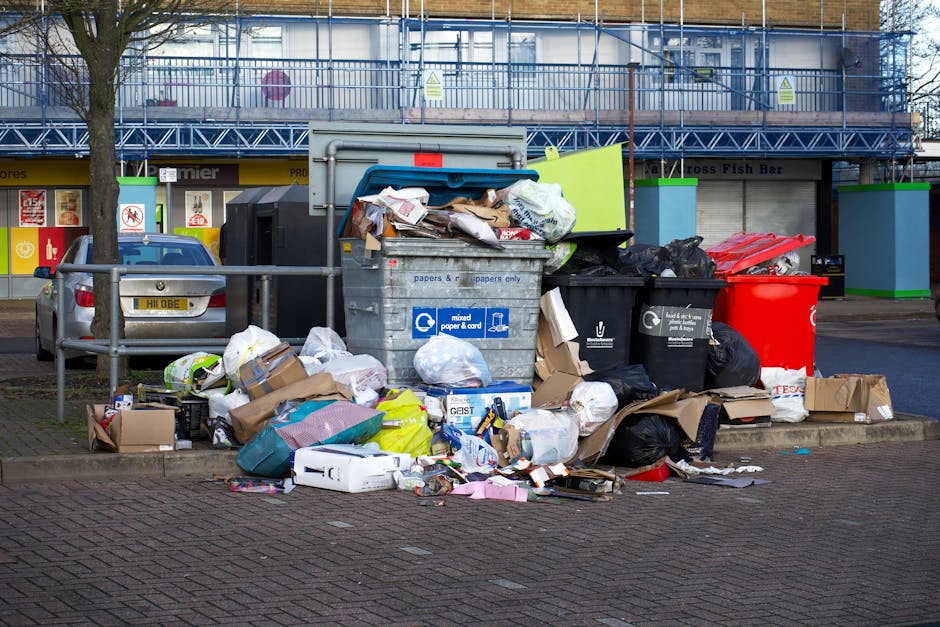
If you live or manage a flat above a shop in Ilford, rubbish removal can feel oddly complicated. One day the bags are manageable; the next, you have bulky items, narrow stairwells, shared entrances, parking restrictions, and a shop opening downstairs that absolutely cannot be disrupted. That is the real-world problem behind Access problems for flats above shops Ilford rubbish solutions: getting waste out safely, quickly, and without turning a simple clearance into a logistical headache.
This guide breaks down the access issues people actually face, how rubbish solutions work in mixed-use buildings, what to do step by step, and how to avoid the little mistakes that cause delays, extra cost, and frustration. If you have ever stood at the top of a stairwell holding a broken wardrobe and thought, "Right... now what?", you are in the right place.
For a broader look at local context and property realities in the area, you may also find Ilford housing market insights useful, especially if you are a landlord, agent, or leaseholder trying to plan waste handling around occupation and turnover.

Why access problems for flats above shops Ilford rubbish solutions matters
Flats above shops are common across busy parts of Ilford, and they come with a very specific set of waste challenges. In a normal house, the route from front room to kerb is simple enough. In a mixed-use property, the route may involve a shared hallway, a back alley, a fire exit, a steep stairwell, or a loading point that is only practical at certain times of day. Sometimes the issue is not the waste itself. It is the access.
And access changes everything. A single flight of stairs might not sound dramatic, but when you are moving bags of mixed rubbish, an old mattress, or a heavy appliance, it can quickly become a safety issue. If the only route passes through a trading shop, then timing matters too. A collection at 10am on a Saturday can be very different from one at 2pm on a Tuesday.
The reason this topic matters is simple: poor access can increase labour time, create risks for staff and residents, upset shopkeepers, and leave waste sitting around longer than it should. That is bad for hygiene, bad for neighbours, and frankly bad for everyone's mood. Nobody wants a corridor that smells faintly of old cardboard and damp bin bags for three days. Nobody.
When rubbish solutions are planned properly, though, even difficult access can be handled in a calm, tidy way. That usually means choosing the right collection method, setting the right time window, preparing the route, and matching the load to the building's layout. In the same way that a good services overview helps you understand what is available, a good access plan helps you understand what is actually possible on the day.
How access problems for flats above shops Ilford rubbish solutions works
The process is less mysterious than it sounds. The key is to treat the building like a small operational site rather than a standard domestic address. That means asking a few practical questions before anyone turns up with sacks, trolleys, or a van.
1. Start with the access route
Work out exactly how the waste will leave the property. Is there a front staircase above the shop? A rear access lane? A communal entry point? A shared yard? Sometimes the easiest route is not the front door at all. In other buildings, the back passage is technically shorter but awkward because of bins, clutter, or restricted hours.
2. Match the waste to the route
Not all waste is equal. Light bagged rubbish is one thing. A broken fridge or old sofa is another. If the route includes tight turns, old steps, low ceilings, or limited landing space, bulky items may need to be broken down first or removed using a different method. That is where professional judgement makes a real difference.
3. Choose a collection style that suits the building
For some Ilford flats above shops, a man-and-van collection is ideal because the team can load quickly from a nearby stopping point. In other cases, a full clearance service works better because the removal team can clear multiple items in one visit and manage the access issues on site. If you are dealing with larger volumes, waste clearance in Ilford is often more practical than trying to piece everything together yourself.
4. Time the job to avoid disruption
This point gets overlooked all the time. The best rubbish solution may fail if it clashes with trading hours, deliveries, or resident movement. A building with a hair salon below, for example, may need early morning or late afternoon access so the stairwell is not busy. A small delay at the start can save a lot of awkwardness later.
5. Plan for hand-carrying, lifting, and loading
In buildings above shops, waste may need to be carried by hand from the flat to the vehicle. That sounds obvious, but the details matter: where the sacks are staged, who can hold doors open, whether the stairs are safe under load, and whether the loading point is close enough to avoid unnecessary trips. It is a bit like moving furniture through a narrow terrace, except with more dust and more corners.
If you need to remove larger household items as well as general rubbish, it helps to look at the type of material in advance. Services such as furniture removal Ilford or white goods and appliance disposal Ilford can be a better fit than a generic collection where the access is awkward.
Key benefits and practical advantages
When you get access-aware rubbish removal right, the payoff is bigger than just a clear floor. You get a calmer process, fewer surprises, and less pressure on people in the building. That matters more than many assume.
- Less disruption for shop staff - collections can be timed to avoid peak trading hours.
- Safer handling - fewer improvised lifts and fewer risks on stairs or landings.
- Cleaner shared spaces - rubbish is moved out faster, so hallways do not become temporary storage.
- Better cost control - the right method reduces wasted time and unnecessary return visits.
- Improved neighbour relations - no one enjoys bins piled in a communal passage, let's face it.
- More predictable service - once access is understood, the job is easier to quote and schedule.
There is also a practical financial upside. Difficult access often drives people toward the wrong solution, which can mean paying twice: once for the first attempt and again for the fix. Clear planning avoids that. For people comparing service levels and budget options, the pricing and quotes page is a sensible place to understand how scope and access can shape the final job.
Expert summary: In flats above shops, the best rubbish solution is rarely the cheapest-looking one on paper. It is the one that fits the building, the timing, and the item types without creating delays, hazards, or neighbour complaints.
Who this is for and when it makes sense
This kind of solution is useful for more people than you might think. It is not just for landlords with problem tenants or busy commercial blocks.
- Flat owners who need to clear household rubbish but have only narrow stair access.
- Landlords preparing a flat for new tenants after a move-out or partial clearance.
- Letting agents managing end-of-tenancy waste quickly between occupiers.
- Shop owners who share premises with upstairs flats and need to keep trading disruption low.
- Freeholders and managing agents responsible for keeping communal areas clear.
- Residents downsizing or redecorating who suddenly have bulky items that will not fit down tight stairs.
It makes sense when waste cannot be sensibly dragged to the kerb in the normal way. It also makes sense when there is a deadline: a tenancy change, a fire-safety concern, a stock delivery, or a shop refit downstairs. If access is awkward and time is tight, a structured collection plan is often the only sane option.
For commercial premises with mixed-use upper floors, it can also help to compare it with commercial waste removal Ilford or office clearance Ilford if the upstairs space is used for work rather than living.
Step-by-step guidance
Here is the practical route I would recommend, especially if you want to avoid a stressful collection day.
- Walk the route from flat to exit. Note stairs, door widths, fire doors, narrow turns, and any obstacles.
- Separate waste by type. Bagged rubbish, cardboard, furniture, appliances, and recyclables should not all be handled the same way.
- Check access times. Ask when the shop is busiest and whether there are quiet windows for loading.
- Measure bulky items. A quick measure can tell you whether an item needs dismantling before removal.
- Clear the staging area. Keep hallways and landings as open as possible so people can move safely.
- Photograph awkward items. A couple of phone photos help when explaining the job and reduce guesswork.
- Confirm collection instructions. Tell the provider where to park, which entrance to use, and whether anyone needs to call ahead on arrival.
- Prepare for the handover. Have keys, door codes, or contact names ready so nobody is waiting outside while the clock ticks.
A small but useful point: if the building has shared access, tell other residents in advance. A simple note can prevent a lot of fuss. People are usually reasonable when they know what is happening. Usually.
If your clearance includes mixed bulky waste and general household rubbish, it may be worth combining a few related services rather than booking several separate visits. For example, a flat above a shop might need rubbish collection Ilford for everyday waste, plus house clearance Ilford for larger items, depending on the scale of the job.
Expert tips for better results
These are the little things that tend to make a big difference.
- Use smaller containers before collection day. If you can decant loose waste into manageable bags or boxes, access becomes far easier.
- Keep the route dry and well lit. A wet stairwell or dim back passage is not just annoying, it is a slip risk.
- Schedule outside of delivery windows. If the shop below receives stock in the morning, do not plan to move a sofa through the same entrance at the same time.
- Break down items where possible. Flat-pack furniture often looks easier than it is, but most bulky items can be reduced into safer pieces.
- Be honest about the access. If the entrance is awkward, say so upfront. It saves time and avoids the wrong vehicle or team size turning up.
- Ask about loading distance. The difference between a vehicle parked outside and one parked round the corner can affect the whole job.
And here is one that sounds obvious but gets missed all the time: if you think access might be an issue, mention it twice. Once in writing and once on the day. That is not overkill. That is just good sense.
For a broader view of how local service planning can work in the area, the article on rubbish removal near Ilford Station gives a useful sense of how location, traffic, and timing can affect collections in busy parts of town.

Common mistakes to avoid
A lot of problems with flats above shops are not caused by the waste itself. They are caused by assumptions.
- Assuming the route is "fine". What looks manageable when empty can be awkward once you are carrying a mattress or bin bags.
- Leaving it all until collection day. If the route is cluttered, the team loses time and the risk of damage goes up.
- Forgetting about shop trading hours. A collection that blocks customers or stock deliveries is going to create tension.
- Overloading bags. Heavy sacks are harder to lift, harder to carry, and more likely to tear on stairs.
- Not checking communal rules. Some buildings have clear access rules for shared hallways, rear yards, or loading points.
- Booking the wrong type of service. A tiny collection team may be fine for bags, but not for bulky clearances with difficult stairs.
One small caution: if the item is heavy, awkward, or likely to snag on a bannister, do not "just give it a go". That casual decision is how people end up with damaged walls, chipped paint, and sore backs. Not glamorous, is it?
Tools, resources and recommendations
You do not need specialist equipment for every job, but a few basic tools can make access-based rubbish removal much easier.
- Heavy-duty rubble sacks or strong bin bags for smaller waste.
- Tape measure for checking bulky item dimensions before collection.
- Marker pen and labels to separate keep, donate, recycle, and remove.
- Phone camera for sending photos of awkward access or unusual items.
- Gloves and sturdy footwear if you are helping stage items safely.
- Trolley or sack barrow where appropriate, provided the route can safely accommodate it.
If you are dealing with items that need special handling, such as appliances or old furniture, it can help to use service pages that match the item type. For example, furniture disposal Ilford is useful when the main issue is size and stair access, while white goods and appliance disposal Ilford is better for heavier household machines.
For people who care about responsible disposal, the site's recycling and sustainability page is worth reviewing so you can understand how different waste streams are handled and why sorting matters.
Law, compliance, standards, or best practice
With rubbish removal, compliance is mostly about using a responsible, legally operating waste carrier and making sure waste is handled properly. In plain English: you want to avoid fly-tipping risk, unsafe handling, and the kind of "cheap" service that disappears the minute a problem arises.
For flats above shops, best practice usually includes:
- using a properly licensed waste carrier;
- keeping access routes safe and unobstructed;
- reducing fire escape blockages in communal areas;
- avoiding waste storage in shared corridors or landings;
- making sure no item is left where it could cause a trip hazard;
- separating recyclable materials where possible.
It also helps to keep communication clear between residents, shop operators, and whoever is doing the removal. If a landlord or managing agent is involved, they should know about any access limitations in advance. That is just sensible building management, really. The same goes for service terms, insurance expectations, and who is responsible if access has to be changed on the day. If you want to better understand business practices around this kind of work, the waste carrier licence and compliance page is a practical reference point.
Where safety is concerned, it is also wise to check that the removal provider has appropriate procedures for awkward buildings, stairs, and lifting. The insurance and safety page offers helpful background on what responsible handling should look like in practice.
Options, methods, or comparison table
Not every access problem needs the same fix. The right method depends on the amount of waste, the building layout, and how fast you need it gone.
| Method | Best for | Pros | Limits |
|---|---|---|---|
| Bagged rubbish collection | General household waste, smaller clear-outs | Fast, flexible, minimal disruption | Not ideal for bulky or heavy items |
| Man-and-van removal | Flats with stairs and mixed access | Useful for awkward buildings and tight timing | May need clear staging and parking access |
| Full property clearance | End-of-tenancy, landlord voids, larger loads | Efficient for multiple item types | Needs better planning and more space |
| Bulky item disposal | Sofas, mattresses, appliances | Good for difficult-to-carry items | Items may still need dismantling or extra handling |
| Skip hire | Ongoing works or larger renovation waste | Handy if the load is large and access allows placement | Not always suitable where parking or street space is limited |
If you are weighing skip hire against on-the-day removal, a helpful local read is skip hire options for Gants Hill area Ilford. It is useful for thinking through when a skip is genuinely the better option and when a direct collection is simpler.
For awkward flats above shops, direct removal often wins because it does not require long-term street space. But if you are doing a bigger refurb, a skip may still make sense. It depends. Sometimes the answer is not neat, and that is fine.
Case study or real-world example
Here is a realistic example from the kind of situation that comes up all the time in mixed-use buildings.
A tenant in a flat above a small parade of shops in Ilford needed to clear out after a move. The stairwell was narrow, the front entrance sat directly beside the shop doorway, and the back access route was shared with bins and stock deliveries. On paper, it sounded straightforward. In practice, it was messy.
The fix was not complicated, just careful. The waste was sorted the day before into four groups: bagged rubbish, cardboard, a broken wardrobe, and a mattress. The collection was booked for a quieter slot between trading peaks. The stairwell was kept clear. The wardrobe was dismantled before removal, which saved a lot of wrestling on the landing. The team used the shortest safe route rather than forcing a route that looked easier but actually was not.
The result? Faster loading, fewer interruptions to the shop below, and no damage to the walls. The tenant got the flat cleared, the retailer kept trading without drama, and the shared entrance looked like an entrance again rather than a holding bay for forgotten clutter. Small win, but a proper one.
For people living or investing locally, this kind of practical problem often sits alongside wider property questions too. If you are weighing occupancy, turnover, and management pressures, the article on how to invest in Ilford real estate smartly gives useful context on how property decisions and operational realities tend to meet in the middle.
Practical checklist
Use this before the collection day.
- Have I checked the exact route from the flat to the exit?
- Have I identified any narrow stairs, doors, or turns?
- Are shop hours, deliveries, or resident access likely to be affected?
- Have bulky items been measured or photographed?
- Have I sorted rubbish into sensible categories?
- Is the hallway, landing, or shared area clear?
- Do I know where the vehicle will stop?
- Have I told everyone involved about the access point?
- Do I need special handling for appliances, furniture, or mixed loads?
- Have I checked that the service approach suits the building, not just the waste volume?
A final tiny tip: if in doubt, over-prepare the route and under-promise the ease. That usually leads to a smoother day.
Conclusion
Access problems for flats above shops do not have to turn rubbish removal into a stressful event. Once you understand the route, the timing, the waste type, and the building's shared spaces, the whole job becomes much more manageable. The best rubbish solutions are the ones that respect the building as it really is, not as we wish it were.
If you are dealing with a tight stairwell, a shared entrance, or a busy shopfront below, the answer is usually careful planning, the right collection method, and clear communication. Simple, really. Not always easy, but simple.
Get a free quote today and see how much you can save.
If you want to compare the practical side of different removal approaches or understand how mixed-use access changes the job, the services overview and pricing and quotes pages are a sensible next step. And if you are still refining the bigger picture of local living and property pressure points, you may also find locals' views on Ilford a helpful read.
In the end, good rubbish removal is a bit like good housekeeping: quiet, efficient, and almost invisible when it is done properly. That is usually the goal, and honestly, the nicest outcome too.


 Tipper Van - Waste Collection and Rubbish Removal Prices in Ilford, IG1
 Luton Van - Waste Collection and Rubbish Removal Prices in Ilford, IG1