










21/10/2026
If you are trying to work out what rubbish removal in Ilford really costs in 2026, you are not...
Waste Disposal Ilford provides waste disposal in Ilford for households, landlords, offices and trade customers who need practical help with unwanted items, mixed rubbish and one-off clearances. The service is centred on removing, sorting and disposing of waste in a way that suits the space, the material and the access available. From a single bulky item to a fuller clearance, the aim is to keep the process straightforward, with the right service chosen for the type of waste rather than a one-size-fits-all approach.
Our core work covers rubbish collection, property clearances, garden waste, furniture removal, builders’ waste and appliance disposal. That means the job can be shaped around what is actually on site: bagged household rubbish, damaged furniture, broken fittings, renovation debris or mixed items that need separating before disposal. For many customers, the value is in having waste removed in one visit, with the load handled through a service that matches the material and the property layout. Services overview
When the waste is more varied, the plan needs a little more thought. Heavy items, awkward access, waste from different rooms or a mix of recyclable and non-recyclable material all affect how the collection is arranged. If you are comparing options, it helps to look at the type of waste, the amount to be removed and whether the job is a simple collection or a more involved clearance. A clear enquiry makes it easier to match the right service and set expectations for the work. Start with a plain description of what needs taking away, then ask for a quotation.
Domestic jobs often involve a mix of items rather than a single category of waste. That can include bagged rubbish, broken household goods, old storage items, packaging from deliveries or pieces left over after a clear-out. Our domestic waste collection in Ilford is suitable when the main need is to remove general household waste without turning the visit into a full property clearance. The work is usually most efficient when the waste is grouped together and the route to it is reasonably clear.
For people clearing a spare room, replacing furniture or tidying after decorating, the important point is not just volume but shape and weight. Loose black bags, flat-packed cardboard, soft furnishings and small dismantled items may all be part of the same collection, yet each affects loading and disposal in a different way. We can also help where a job includes a few distinct waste types that need to be handled together, provided the item mix is suitable for collection rather than specialist treatment. Keep the description direct, and if the job involves stairs, limited access or split rooms, mention that as part of the quotation request.
Typical domestic work may involve clearing items from halls, bedrooms, cupboards, garages or sheds, then loading them for disposal. In some cases, it is simply a matter of taking away accumulated rubbish; in others, a more ordered approach helps separate recyclable items from general waste. A useful shortlist for an enquiry might include:
Bulky waste needs different handling from loose rubbish because size, weight and material all matter. Our furniture removal in Ilford is designed for items such as sofas, wardrobes, tables, chairs and beds that cannot simply be bagged up. Some pieces can be dismantled before loading, while others are moved intact if access allows. The right approach depends on the item and the property, especially where narrow staircases or tight communal areas are involved.
Appliances are another category that benefits from a specific service. A machine may be heavy, awkward to manoeuvre and made up of components that need to be handled carefully. With white goods and appliance disposal in Ilford, the focus is on safe removal and appropriate disposal of items such as fridges, freezers, cookers, washing machines and similar domestic equipment. Furniture disposal is equally important where the item is damaged, waterlogged or no longer suitable for reuse. If you are not sure whether a piece should be described as furniture, appliance or general bulky waste, mention the item by name in the enquiry and let the job be assessed by type.
In many homes, bulky removals are more efficient when grouped. A single collection can sometimes include one large item, a few smaller pieces and associated waste such as cushions, broken shelves or packaging. Furniture disposal in Ilford can therefore be a practical option where the main issue is getting rid of large objects rather than arranging a full property clearance. The best quotation requests describe the items plainly, note whether they are upstairs or downstairs, and say if they are already dismantled. That keeps the scope clear and helps the service fit the job properly.
Waste from outdoor work or building projects needs a service that can handle heavier, dirtier or more mixed material than ordinary household rubbish. Our garden waste removal in Ilford is suitable for cuttings, branches, hedge trimmings, soil, turf and other green waste after pruning or landscaping. The main decisions are usually about volume, moisture content and whether the material includes pots, timber, fencing offcuts or general garden clutter as well as green waste.
For renovation and repair work, the waste tends to be more varied. Builders’ waste disposal in Ilford can cover rubble, plasterboard, timber, tiles, packaging and other construction debris left after a project. Not every job is the same: a small bathroom rip-out, a kitchen refit and a larger refurbishment all generate different mixes of waste, so the collection needs to be judged on the actual load rather than the label on the project. Commercial premises and workspaces can also benefit from a scheduled collection style where the material is produced regularly and needs reliable removal.
Trade waste is often about keeping spaces usable while work continues, so the waste is normally easier to manage when it is gathered in one location. That reduces the time spent carrying it through the building and helps the load be checked before disposal. When asking for a quotation, it is useful to say whether the waste is garden, building or trade material, and whether it contains any heavy or sharp items. That simple detail makes the estimate more accurate and avoids unnecessary back-and-forth.
Some jobs are better described as clearances rather than collections because the work involves a room, floor or full property rather than a pile of waste. Our house clearance in Ilford is intended for situations where furniture, household contents and general waste need removing together. That can be useful after a move, during downsizing or when a property needs to be emptied in stages. Clearances usually work best when the customer can identify the main areas involved and point out anything that should be left behind.
Loft clearance in Ilford is a more specialised version of the same idea, because the access is often tighter and the contents are frequently a mix of stored household items, old boxes, seasonal goods and unwanted clutter. Office spaces also need their own approach. Office clearance in Ilford is appropriate where desks, chairs, filing items, packaging, small electricals or leftover furniture need to be removed from a workplace without disrupting the rest of the building any more than necessary. In all of these cases, the benefit is not only removal but the organised handling of different item types in one structured visit.
Clearance work is often easier to plan than people expect when the request is specific. If you are arranging a house, loft or office clearance, it helps to separate the main categories of items, note any access restrictions and say whether the job includes only contents or also loose waste. Rubbish collection in Ilford can be a better fit for lighter, smaller loads, while a clearance service is more appropriate where rooms or zones must be emptied. The clearer the description, the easier it is to match the service to the work.
Waste removal prices are usually shaped by the type of waste, the amount to be taken away, access to the items and whether any sorting or dismantling is needed before loading. A straightforward collection of bagged waste is different from lifting bulky furniture down stairs or handling builders’ debris from a rear extension. Our prices page is there for customers who want to understand how the service is framed, while pricing and quotes provides a place to ask for an estimate based on the details of the job. A sensible quotation request names the waste clearly, gives an honest idea of quantity and notes anything unusual about access.
There are also practical differences between one-off disposal and scheduled or repeat work. A landlord emptying a flat after a tenancy, a shop replacing fixtures or a contractor finishing a job may each need a different level of service, even if the waste appears similar at first glance. The useful question is not simply how much there is, but what has to happen before it can be removed. If the items are already gathered and easy to reach, the job can often be assessed quickly. If they are spread through several rooms or include mixed materials, a little more description is helpful. Use the enquiry to set out the basics, then ask for a quotation tailored to the load.
Good quotation requests usually include a few simple points rather than a long explanation. The aim is to make the load easy to understand without overcomplicating it. A useful approach is:
Customers often want reassurance that waste is handled properly, particularly when the job involves mixed material or items that should not go in ordinary household bins. We make use of the service information available on this website to guide the work, including the pages on waste carrier licence and compliance and insurance and safety. Those pages are relevant when you want to understand the framework behind the disposal process, especially where the collection involves heavier objects, access through shared areas or waste that needs careful handling.
Responsible disposal is not just a back-office concern; it also affects how a job is managed on the day. Some waste streams are better separated before loading, and some items need to be handled with more care because of weight, material or breakability. The service therefore benefits from accurate descriptions and a realistic understanding of what is on site. If you are dealing with mixed waste from a property, office or garden, it is sensible to say whether any parts need to be left out of the load. That keeps the collection aligned with the customer’s instructions and with the waste type being removed. Recycling and sustainability is also a useful reference if you want a clearer view of how the business talks about handling reusable or recyclable material.
Before you ask for a quotation, think about what the job actually contains rather than how you might describe the result. If the waste is bulky, damp, split across rooms or mixed with reusable items, say so plainly. If it is simple bagged rubbish, say that too. The most helpful enquiry is usually the shortest one that still captures the real scope of the load. For more formal details about payment and security, the website also provides a payment and security page for customers who want that additional context.
Ilford is a large town in east London, within the London Borough of Redbridge, and its character has been shaped by long-running suburban growth, transport links and a busy commercial centre. The district developed from an historic Essex settlement into a significant urban area during the railway age, when expansion around the station and along nearby roads encouraged new housing, shops and civic buildings. Ilford Broadway remains one of the best-known thoroughfares, giving the town a recognisable centre with retail frontage, services and steady pedestrian movement. The area also contains a mix of Victorian, interwar and later twentieth-century housing, which reflects successive phases of development rather than one single building period. Nearby green spaces provide a softer counterpoint to the built-up streets: Valentines Park is especially notable for its landscaped grounds, lake and historic house, while smaller open spaces help punctuate the dense residential fabric. The town sits within a broader east London setting shaped by the River Roding corridor and by routes that connect Redbridge with neighbouring districts such as Seven Kings, Gants Hill and Barking. Cultural life in Ilford is equally varied, with cinemas, places of worship, local restaurants and community facilities contributing to a place that is busy without being purely central. Its identity is therefore tied to both movement and everyday neighbourhood life, with a street pattern and town centre that continue to reflect a long process of change.
Different waste jobs call for different service types, and the clearest result often comes from matching the load to the right page rather than trying to fit everything into one description. A small domestic job may be best handled as a collection, whereas a mixed property emptying may need a full clearance. Trade waste, garden debris, office contents and bulky furniture each sit in their own practical category. The website’s waste clearance in Ilford page is a useful starting point when the task is broader than a simple pick-up and you need a more general clearance approach.
There are also cases where a specific item type matters more than the setting. A room full of furniture is not the same as a pile of renovation waste, and a collection of appliances needs different handling again. That is why service names such as furniture removal, white goods disposal, builders’ waste disposal and house clearance exist separately: they point to different kinds of loading, sorting and disposal work. If you are weighing up which option to choose, the easiest test is to ask what the dominant item category is, then select the page that matches that category most closely. That keeps the enquiry practical and avoids paying for a scope you do not need. About us gives additional company information for anyone who wants to read beyond the service pages.
Ready to move on? If you already know the main waste type, the quantity and the access involved, you are close to being ready for a quotation. For a final step, use the contact page to send the details of your waste disposal in Ilford and request a price based on the job in front of you. Contact us for a quotation

GET A FREE QUOTE
Waste removal done in the best possible manner!
Get in touch with our waste disposal Ilford company and say "Goodbye!" to the rubbish now!
 Tipper Van - Waste Collection and Rubbish Removal Prices in Ilford, IG1
| Space іn the van | Loadіng Time | Cubіc Yardѕ | Max Weight | Equivalent to: | Prіce* |
| Minimum Load | 10 min | 1.5 | 100-150 kg | 8 bin bags | £90 |
| 1/4 Load | 20 min | 3.5 | 200-250 kg | 20 bin bags | £160 |
| 1/2 Load | 40 min | 7 | 500-600kg | 40 bin bags | £250 |
| 3/4 Load | 50 min | 10 | 700-800 kg | 60 bin bags | £330 |
| Full Load | 60 min | 14 | 900-1100kg | 80 bin bags | £490 |
*Our rubbish removal prіces are baѕed on the VOLUME and the WEІGHT of the waste for collection.
 Luton Van - Waste Collection and Rubbish Removal Prices in Ilford, IG1
| Space іn the van | Loadіng Time | Cubіc Yardѕ | Max Weight | Equivalent to: | Prіce* |
| Minimum Load | 10 min | 1.5 | 100-150 kg | 8 bin bags | £90 |
| 1/4 Load | 40 min | 7 | 400-500 kg | 40 bin bags | £250 |
| 1/2 Load | 60 min | 12 | 900-1000kg | 80 bin bags | £370 |
| 3/4 Load | 90 min | 18 | 1400-1500 kg | 100 bin bags | £550 |
| Full Load | 120 min | 24 | 1800 - 2000kg | 120 bin bags | £670 |
*Our rubbish removal prіces are baѕed on the VOLUME and the WEІGHT of the waste for collection.
If you are trying to work out what rubbish removal in Ilford really costs in 2026, you are not...

If you are facing a full property clear-out, a partial declutter, or the kind of "this needs...

If you are trying to avoid fines for fly tipping in Ilford waste disposal rules, you are probably...
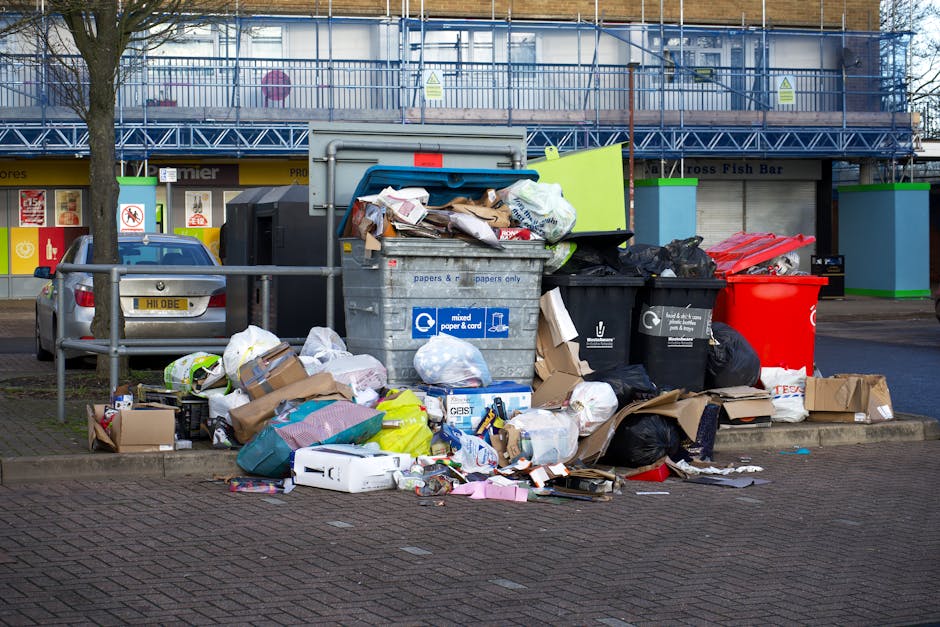
If you run a business in Ilford, clear out a premises, or handle waste as part of your day-to-day...
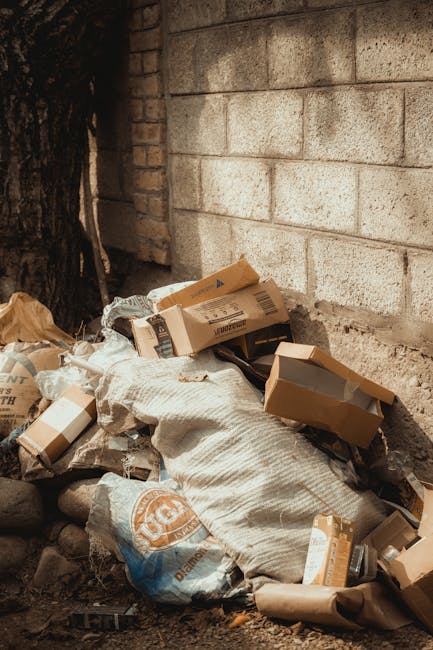
If you live in Ilford, household waste rules can feel simple right up until the week gets busy,...
If you live or manage a flat above a shop in Ilford, rubbish removal can feel oddly complicated.

If you have ever booked a fast clearance and then watched the clock crawl past your collection...
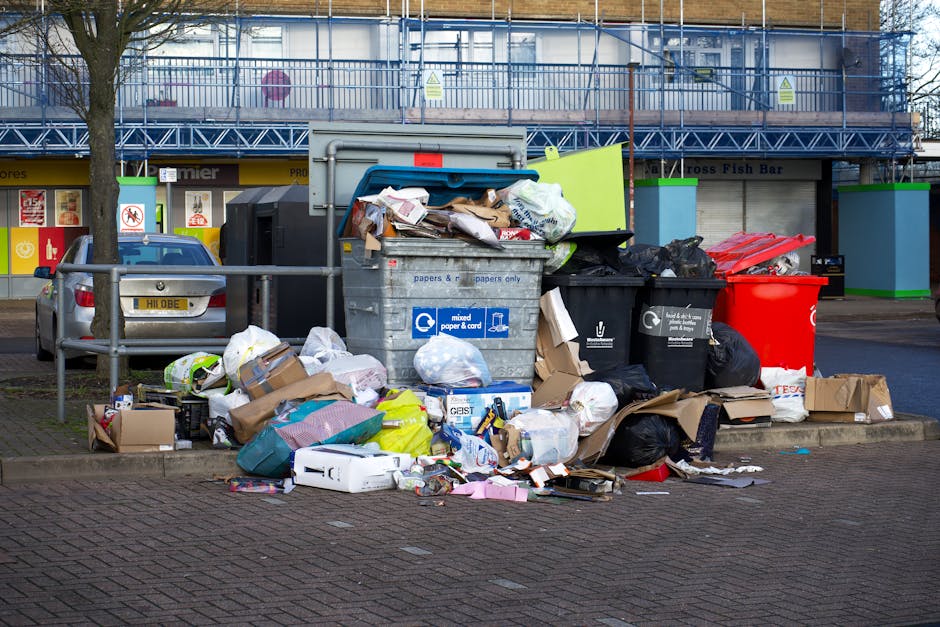
Hidden fees can turn a simple clear-out into a frustrating, expensive job. If you are arranging...
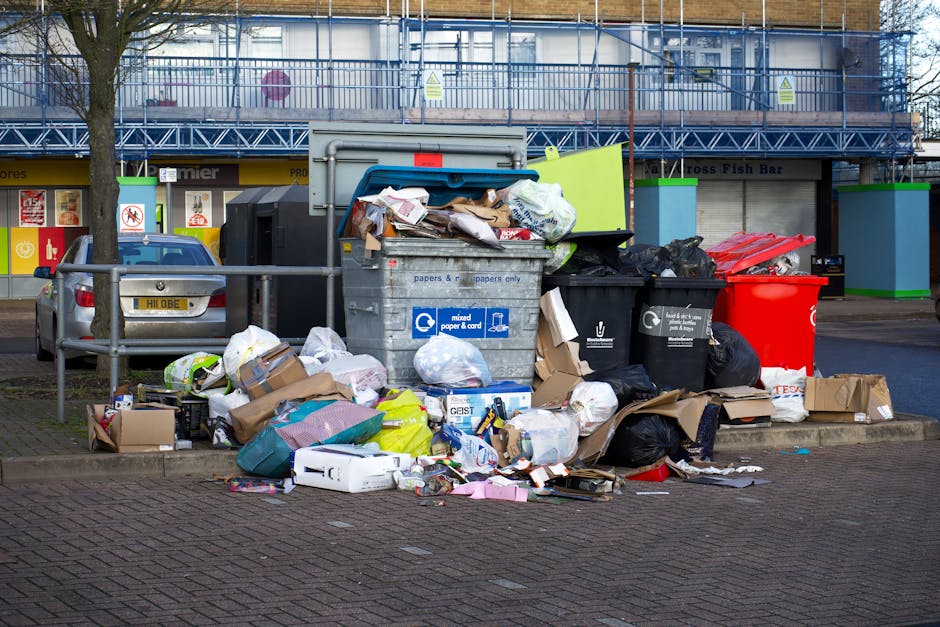
If you are dealing with a pile of old furniture, garden clippings, builders' rubble, or a full...
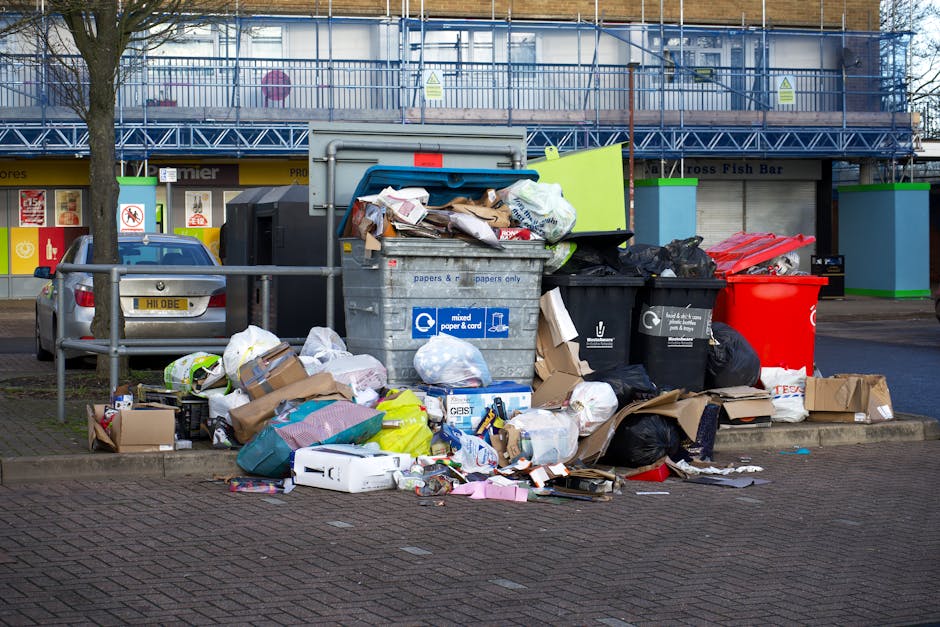
If you live on an estate in Seven Kings, rubbish can get messy fast. One overflowing bin, one...

If you live, work, or are clearing out a property close to Ilford Station, rubbish removal can...

If you are planning a clear-out, a renovation, or a garden project, choosing the right skip hire...

 (86)
(86)