House clearance on Cranbrook Road Ilford made easy
Posted on 13/10/2026
If you are facing a full property clear-out, a partial declutter, or the kind of "this needs sorting now" situation that somehow builds up over years, you are not alone. House clearance on Cranbrook Road Ilford made easy is really about turning a stressful, messy job into a clear plan with the right support. Whether it is a flat above a shop, a terraced house near the station, or a larger family home that has simply filled up with life, the goal is the same: clear it safely, quickly, and without unnecessary hassle.
In practice, a good clearance service should save you time, reduce lifting and sorting, and help you avoid awkward disposal mistakes. It should also respect the local setting. Cranbrook Road is busy, practical, and very much lived-in. That means access, parking, neighbours, timing, and noise all matter. This guide walks through how the process works, what to expect, what to avoid, and how to make the whole thing feel manageable from the first phone call to the last swept-up corner.

Why House clearance on Cranbrook Road Ilford made easy Matters
A house clearance is rarely just about removing unwanted items. More often, it sits at the end of a life change: a move, a tenancy change, a bereavement, a downsizing decision, or a property sale that has been quietly delayed for too long. That is why a straightforward, well-organised service matters so much. It removes one major source of pressure at a time when people often already feel stretched.
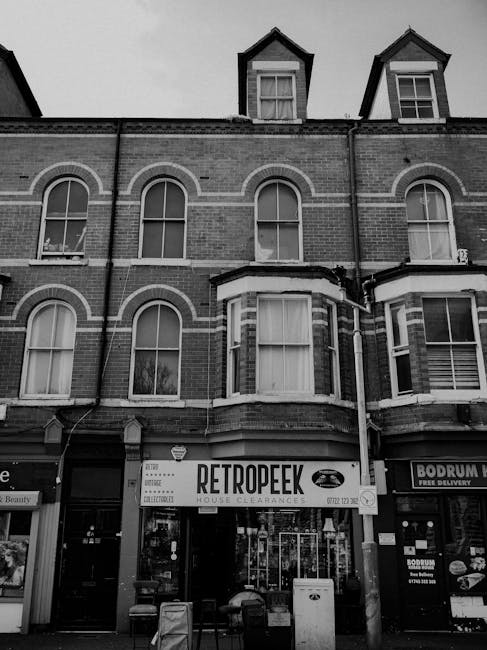
Cranbrook Road adds its own practical layer. It is a busy part of Ilford, with mixed residential and commercial use in places, traffic at certain times of day, and properties that can be tricky for large vehicles or repeated loading. In other words, a clearance here is not just "pick up the stuff and go". It needs planning. The better the plan, the smoother the day.
There is also a mental side to this that gets underestimated. Walking into a room full of boxes, old furniture, broken white goods, and bits you have been meaning to sort for months can feel oddly heavy. You know that feeling. The room almost seems louder when it is cluttered. Clearing it properly creates visible momentum, and that matters more than people sometimes admit.
For readers comparing services across Ilford, it can help to look at the wider picture too. Our services overview gives a useful sense of how different clearance and disposal jobs fit together, while the main house clearance in Ilford page is a sensible next stop if you want a broader service view.
Expert summary: the easiest house clearances are not the fastest ones by accident. They are the ones planned around access, sorting, safe lifting, responsible disposal, and a clear finish point. That sounds simple. In real life, it is where the difference lies.
How House clearance on Cranbrook Road Ilford made easy Works
The process should feel structured, not chaotic. A reliable clearance service usually follows a fairly simple sequence, even if the property itself is complex. First comes the initial discussion, where you explain what needs removing, what stays, and whether there are any awkward items such as wardrobes, sofas, mattresses, appliances, filing cabinets, or loft contents. Then comes the quote or estimate, often based on volume, access, labour, and the type of waste involved.
Once booked, the team arrives with the right vehicle, tools, and enough hands to manage the job efficiently. On the day, the best crews do not just start throwing things into a van. They confirm what is being cleared, identify anything that should be set aside, and work methodically room by room. That matters if you are keeping documents, sentimental items, or furniture with resale value.
If you are handling a full property, it often helps to think in zones: bedroom furniture, kitchen contents, loft items, garage storage, garden waste, and general rubbish. A mixed load is normal. The point is not to sort everything perfectly yourself. The point is to make the job clear enough that the team can work quickly without confusion.
Many customers also pair clearance with related services. For example, if a property includes heavy furniture, the team may need furniture removal in Ilford or furniture disposal. If there are old fridges, freezers, or washing machines, then white goods and appliance disposal in Ilford may be relevant too. For larger mixed loads, a broader rubbish collection in Ilford option can make things simpler.
Truth be told, the smoothest jobs are the ones where nobody has to guess. Clear instructions, clear access, clear expectations. That is the whole game.
Key Benefits and Practical Advantages
The most obvious benefit is time saved, but that is only the start. A professional clearance helps you avoid the kind of back-and-forth that turns a one-day job into a whole weekend of dragging bags to the kerb and asking a relative with a van if they are free. We have all seen that plan go sideways by mid-morning.
Another major benefit is reduced physical strain. Removing old furniture, stacked boxes, and bulky waste from a property is tiring and, depending on the layout, genuinely awkward. Stairs, narrow hallways, basement steps, and loft hatches can make lifting risky. A proper team knows how to move items without damaging walls, door frames, or your back.
There is also peace of mind. A responsible service should understand what can be reused, recycled, donated, or handled separately. That is one reason it helps to work with a company that is clear about its recycling and sustainability approach and its waste carrier licence and compliance standards. You are not just getting rid of stuff; you are deciding how it leaves the property.
For landlords, estate agents, and homeowners preparing a sale, clearance can also improve presentation. An empty, fresh-smelling room is much easier to photograph, inspect, and value. Even a slightly tired property feels more manageable once the clutter is gone. That can make a real difference to the next step, whether that is refurbishment, letting, or sale.
- Less lifting and carrying for you
- Faster turnaround for urgent deadlines
- Better handling of bulky and awkward items
- Cleaner handover for sale, rental, or refurbishment
- More responsible disposal and reuse where suitable
Who This Is For and When It Makes Sense
This kind of clearance is useful for a lot more people than you might think. Homeowners often need it before moving, after renovating, or when a property has accumulated years of items in the loft, spare room, or garage. Landlords may need it between tenancies, especially if furniture has been left behind or the previous occupants have not cleared everything.
Executors and families dealing with an estate often need a calm, respectful approach. In those cases, speed matters, but sensitivity matters too. Items may need to be set aside for relatives, while the rest is removed carefully and documented in a practical sense. Not every job is emotional, but some are. A good service should understand that without making a drama of it.
Developers and investors also use clearance services when preparing a property for refurbishment or resale. If you are looking at the local market, the context around Ilford homes can be useful, and articles like Ilford housing market insights and how to invest in Ilford real estate smartly help explain why presentation and turnaround speed matter.
There are also smaller jobs that become clearance jobs in disguise. A cluttered loft, a garden full of old broken items, or a flat with one room that has turned into storage can all justify calling in help. If the work involves a loft, the dedicated loft clearance in Ilford service may be the neatest fit. If it involves a business premises as well, then commercial waste removal in Ilford can be the better route.
When does it make sense? Usually when the time, effort, and risk of doing it yourself start to outweigh the cost of professional help. That tipping point arrives sooner than many people expect.
Step-by-Step Guidance
If you want the process to feel easy, start with a simple plan. A little prep goes a long way. Not over-prep, just enough to avoid last-minute confusion.
- Walk through the property. Identify what needs removing and what must stay. Make a short list of anything sensitive, valuable, or easy to miss.
- Separate essentials. Put aside documents, keys, medication, photos, keepsakes, and any items you may want to keep or gift. Do not leave these in the "maybe" pile.
- Check access. Think about parking, stairs, lifts, narrow hallways, and whether the team will need help accessing a rear garden or loft. On Cranbrook Road, access details can save a lot of time.
- Describe the load honestly. Include large furniture, appliances, bags of mixed waste, or awkward items. A slightly messy description is better than an optimistic one.
- Ask how the pricing works. If the service offers a quotation, ask what is included and whether labour, loading, disposal, and travel are covered.
- Confirm the booking window. Make sure the timing works for neighbours, parking availability, and any property handover deadline you have.
- Be ready on the day. Keep access clear, unlock all rooms to be cleared, and make sure the team knows what is staying. Simple, but crucial.
- Do a final check. Once the clearance is complete, walk through each room, cupboard, and storage area before the team leaves.
A good rule of thumb: the more decision-making you do before the team arrives, the faster and calmer the day will be. You do not need to become a sorting expert. Just be clear.
Expert Tips for Better Results
There are a few small habits that make a noticeable difference. First, group items by type where you can. For example, keep books together, put electrical items in one corner, and separate reusable furniture from broken pieces. This helps the crew work efficiently and may support reuse or recycling where appropriate.
Second, photograph awkward items before the job if you are asking for a quote. A quick picture of a packed loft or a heavy wardrobe in a tight stairwell can help avoid surprises. It is not about micromanaging. It is about accuracy.
Third, keep an eye on weather and timing. A damp morning in Ilford is not unusual, and rain can make loading slower if items need to be taken through an exposed path or a narrow entrance. A little buffer in the schedule can stop a minor delay from becoming a nuisance.
Fourth, ask about the destination of different waste streams. You do not need a technical lecture, but you do deserve a clear explanation. Good operators should be comfortable discussing recycling, reuse, and compliant disposal in plain English. If they sound vague, that is a warning sign, honestly.
Finally, if the property is tied to a sale, tenancy change, or refurbishment deadline, tell the team upfront. A well-run clearance is often less about brute force and more about making the next step easier. That is the real win.
Small tip, but useful: if you are clearing a home that has built up "just one more pile" over time, start with one visible area. Momentum helps. Seeing one room improve makes the rest feel possible.
Common Mistakes to Avoid
One of the biggest mistakes is underestimating volume. People often say, "It's only a few things," and then the team finds two wardrobes, a mattress, kitchen items, bags from the loft, and a shed full of mystery objects. It happens more often than you'd think.
Another common issue is failing to mention access restrictions. A clearance on Cranbrook Road can be straightforward, but if parking is awkward or the property sits behind a narrow entrance, the crew needs to know in advance. Surprises at the kerb are nobody's favourite thing.
Leaving valuables mixed in with rubbish is another one. That sounds obvious, yet it happens during rushed moves, emotional clear-outs, and end-of-tenancy scrambles. Before the job starts, check drawers, under beds, behind doors, and in loft corners. Bits hide in plain sight.
People also sometimes assume everything can be taken the same way. Not quite. Some loads may include items that need special handling, especially electrical goods or mixed waste that must be separated. This is where working with a proper waste disposal in Ilford service is helpful, because not everything belongs in the same bucket.
And then there is the classic mistake: leaving the booking until the last day before a move or handover. If you can avoid that, do. Tight deadlines are possible, of course, but they add pressure and limit your options.
Tools, Resources and Recommendations
You do not need much to prepare well, which is part of the appeal. A notebook or phone notes app is enough for your room-by-room list. A few bin bags, labels, and a marker pen can help separate items you want to keep from those you want removed. If you are tackling a loft or garage, a torch and gloves make life easier than trying to do it by phone light and good intentions.
For people who want a better sense of the company behind the service, the most useful pages are the practical ones. The about us page explains the company's approach, while pricing and quotes helps set expectations around estimates and what may affect the final price. If you want to understand how payments are handled, the payment and security page is worth a look.
House clearance is also a trust business. You are letting people into your home, sometimes during a sensitive time, and handing over responsibility for a mix of items. That is why insurance and safety matters. It gives you a clearer view of the precautions a responsible company should take.
If your clearance overlaps with a move, a sale, or simply a better understanding of the area, a few local reads can add useful context too. For example, locals' views on whether Ilford is a nice place to live gives a grounded neighbourhood perspective, while finding serenity in Ilford, London offers a more reflective look at the area. Slightly different angle, same useful local picture.
Law, Compliance, Standards, or Best Practice
For house clearance, compliance is not a decorative extra. It is part of doing the job properly. In the UK, waste must be handled by a legitimate carrier and taken to appropriate facilities. A responsible provider should be clear about this, and ideally able to explain its process in plain language. You should not have to wonder where your waste is going.
Best practice also means separating items that can be reused or recycled from general waste where possible, handling electrical items appropriately, and avoiding fly-tipping or vague "we'll sort it later" promises. If a service is not transparent, that is a problem. The cheapest quote is not always the safest or most sensible one.
Safety is another core part of best practice. Moving bulky items through narrow halls, staircases, and shared entrances requires care. Protecting floors, using the right lifting methods, and respecting neighbours are all part of a professional approach. It should feel tidy, not like a rescue operation after the event.
For readers who want a broader compliance picture, the site's terms and conditions, privacy policy, and cookie policy are also part of the trust framework. They are not the exciting bits, fair enough, but they help show that the business is run properly.
As a customer, your best move is simple: ask questions, expect straightforward answers, and work with a provider that does not dodge the practical stuff.
Options, Methods, or Comparison Table
There is more than one way to clear a property, and the right option depends on size, access, timescale, and how much you want to do yourself. The table below gives a practical comparison.
| Method | Best for | Pros | Trade-offs |
|---|---|---|---|
| Full professional house clearance | Whole homes, estate clearances, move-outs, urgent handovers | Fast, minimal effort from you, good for bulky loads | Usually the highest cost option, depending on volume |
| Partial clearance | Single rooms, lofts, garages, selected furniture | More targeted, often more cost-efficient | Requires clear instructions about what stays |
| Self-clearance with a hire vehicle | Small jobs, time-rich customers, simple loads | Can be cheaper if you have the time and strength | Labour intensive, access to disposal sites may be awkward, more risk of mistakes |
| Mixed waste collection | Homes with a blend of rubbish, furniture, and household items | Flexible and convenient | Not ideal for large, fully furnished properties |
For many people on Cranbrook Road, partial or full professional clearance is the sweet spot. It keeps the disruption low and avoids the awkward "back again tomorrow" pattern that can drag on for days.
Case Study or Real-World Example
Imagine a typical first-floor flat on Cranbrook Road. The tenant has moved out, the landlord needs the place ready for viewings, and the property still contains a double bed, a sofa, two bookcases, a washing machine, bags of kitchen bits, and a loft hatch full of forgotten storage. Nothing dramatic. Just enough to make the place feel stalled.
Before the clearance, the landlord spends an hour trying to estimate what will fit in a van and what should be kept. That guesswork is often where stress starts. After a short assessment, the job is broken into clear parts: furniture, appliance, mixed rubbish, and loft contents. The team arrives with a plan, the items are removed room by room, and the flat is left ready for cleaning and inspection.
What made that job easy? Not magic. Good prep, realistic expectations, and a clear understanding of the property's access. There was a narrow stairwell, some parking pressure, and a lot of awkward carrying. But because those details were known upfront, the whole thing stayed calm. No wandering, no repeated calls, no "we didn't realise the freezer was there".
That is the real pattern behind easy house clearance: not perfect circumstances, just good coordination. And, to be fair, that is usually enough.
Practical Checklist
Use this checklist before your clearance appointment. It keeps things simple and avoids those annoying last-minute "oh no, where did I put that?" moments.
- Walk through every room and identify what is being removed
- Set aside valuables, documents, keys, and sentimental items
- Tell the provider about stairs, parking, narrow entrances, or loft access
- Highlight any appliances, mattresses, or heavy furniture
- Confirm whether any items need special handling
- Check that the quote matches the job description
- Make sure someone is available to answer questions on the day
- Protect items you are keeping by moving them to one clear area
- Do a final room-by-room check after the clearance is finished
- Keep receipts, notes, or confirmation details for your records
If the job feels big, split it into smaller decisions. First the keep pile, then the remove pile, then the special items. Simple, but effective.
Get a free quote today and see how much you can save.
Conclusion
House clearance on Cranbrook Road Ilford made easy is not really about speed alone. It is about making a difficult job feel controlled, safe, and properly finished. Once you understand the process, the pressure drops. You know what to keep, what to clear, what to ask, and what a good service should handle on your behalf.
For some people, it is a practical task before a move. For others, it is part of closing one chapter and opening another. Either way, a well-managed clearance saves time, reduces stress, and helps the property move forward without lingering clutter. And that, in the end, is a relief you can actually feel the moment the room starts to open up.
If you are planning a clearance soon, take the first step with a clear list and a trusted local service. The job gets easier once the plan is in place.



 Tipper Van - Waste Collection and Rubbish Removal Prices in Ilford, IG1
 Luton Van - Waste Collection and Rubbish Removal Prices in Ilford, IG1