Avoid hidden charges with Ilford rubbish removal
Posted on 18/06/2026
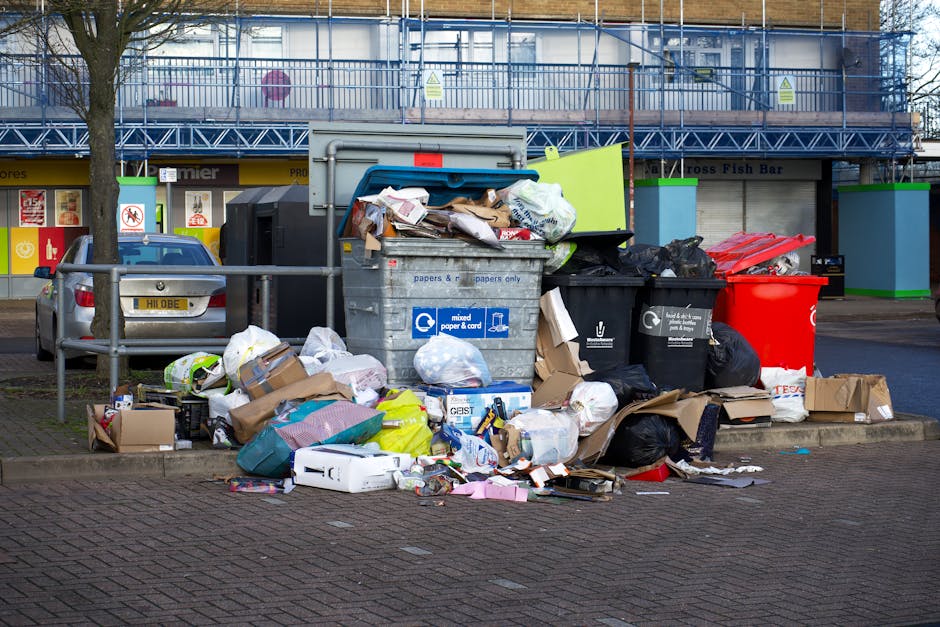
Hidden fees can turn a simple clear-out into a frustrating, expensive job. If you are arranging rubbish removal in Ilford, the price you are quoted should feel clear, explainable, and fair from the start. Yet many people only discover the real cost after the team arrives, the pile is weighed, or "extras" are added for access, labour, or disposal. That is exactly why understanding avoid hidden charges with Ilford rubbish removal matters. It is not just about saving money. It is about knowing what you are paying for, comparing services properly, and avoiding the awkward surprise of a bigger invoice than expected.
This guide walks through how transparent rubbish removal pricing should work, which charges are worth questioning, and how to spot the fine-print tricks before they catch you out. If you want the job done cleanly, quickly, and without that annoying "oh, by the way..." moment at the end, you are in the right place.
Why hidden charges matter
Most people do not mind paying a fair price. What people dislike is paying more than they were led to expect. That difference sounds small, but in practice it can change how you feel about the whole service. One quote says one thing, the invoice says another, and suddenly the job that should have felt simple becomes a negotiation. Not ideal, especially when you are already dealing with clutter, builders' waste, or a house full of items you just want gone.
In rubbish removal, hidden charges usually appear because the company did not gather enough detail before giving a price, or because the quote was intentionally vague. Sometimes it is a simple misunderstanding. Sometimes it is not. Either way, the outcome is the same: you pay extra for something you thought was included. That is why it helps to understand the usual price drivers before you book.
If you are comparing local providers, it can also help to look at the wider service picture. A good starting point is a provider's services overview, because it often shows whether they handle domestic, commercial, bulky, and specialist clearances in a structured way. That sort of organisation often goes hand in hand with clearer pricing. Not always, but often enough to matter.
There is another reason this matters in Ilford specifically: property types vary a lot. Flats, terraced houses, converted homes, shops, offices, and construction sites all create different access and loading conditions. A narrow hallway, a top-floor flat, or a busy street can all affect the final effort involved. If those conditions are not discussed upfront, surprise charges creep in. Simple as that.
Expert summary: transparent rubbish removal pricing should tell you what is included, what might cost more, and what would trigger a revised quote. If the answer is vague, keep asking until it is not.
How pricing should work
Good rubbish removal pricing is usually based on a few practical variables: the volume of waste, the type of waste, the labour required, the access to the property, and any disposal or recycling costs that apply. The best firms explain these factors plainly. The less transparent ones bury them in general wording and hope you will not notice until the day of collection.
Here is the basic idea. You describe what needs removing. The provider assesses the load and gives a price. If the description is accurate, the price should hold. If the job changes materially on arrival, they should explain why the cost changes before doing more work. That is the standard you want. No drama, no mystery.
For example, a small garage clear-out with easy ground-floor access is very different from a full loft clearance involving awkward staircases and double handling. The same is true for a few bags of household rubbish versus heavy builders' waste mixed with timber, rubble, plasterboard, and broken fixtures. In some cases, services like builders waste disposal in Ilford or house clearance in Ilford may be more appropriate than a generic collection, because the pricing and handling requirements are easier to define.
Clarity matters at the quotation stage, but also at payment stage. It is worth checking how the company handles deposits, card payments, and final billing. A sensible provider will have a straightforward explanation of payment and security, which can help reduce confusion and keep everything tidy from booking to receipt. That may sound obvious, but honestly, that is where many disputes start.
Think of a transparent quote as a map. It should show the route, the likely bumps, and where extra work might come in. If it is just a number floating in space, you are being asked to trust too much.
Key benefits and practical advantages
The biggest benefit of avoiding hidden charges is obvious: you protect your budget. But there are several practical advantages beyond that.
- Better comparison: you can compare like-for-like quotes instead of guessing what each one includes.
- Less stress on collection day: nobody likes haggling on the doorstep while waste is half-loaded.
- Cleaner decision-making: you can choose the right service for the waste, not just the cheapest headline price.
- Fewer disputes: clear terms reduce misunderstandings and back-and-forth after the job.
- More efficient clearance: when details are agreed in advance, the team can work faster and more smoothly.
There is also a trust benefit. A company that is open about pricing often tends to be open about other important things too, such as carrier licensing, safety, and how waste is handled. You can see that wider approach on pages like waste carrier licence and compliance and recycling and sustainability. That kind of transparency matters because rubbish removal is not just a transaction; it is a service that should be properly managed.
And yes, it can save real money. Not in a flashy, life-changing way, but in the practical way that matters when you are clearing a loft, shifting old furniture, or emptying a rental property before tenants move in. A fair quote that stays fair is worth more than a cheap teaser price that balloons later. Truth be told, I would rather see a realistic figure first than a too-good-to-be-true one every time.
Who this is for and when it makes sense
This advice is for anyone booking rubbish removal in Ilford who wants to avoid paying more than expected. That includes homeowners, tenants, landlords, letting agents, shop owners, office managers, builders, and people dealing with one-off clearances after a move, renovation, or spring clean. If there is waste to remove, there is usually room for pricing confusion too.
It matters especially when the job involves more than a few bin bags. Bulky furniture, appliances, mixed waste, garden cuttings, or a full office strip-out often carries more variables. The same goes for awkward access, parking restrictions, or time-sensitive jobs where speed is important. If you are juggling all that, the last thing you need is a surprise surcharge because the van had to park a little further away. Annoying, but common.
If your situation is more specialised, it is wise to pick a service designed for it. For example, furniture removal in Ilford, white goods and appliance disposal, or garden waste removal may have different handling requirements and disposal pathways. The more specific the job, the more important it is to get a clear scope before anyone lifts a thing.
It also makes sense if you are comparing rubbish removal against skip hire. Skip hire can be a great option in some situations, but it comes with permits, space planning, and sometimes longer hire periods. For a useful local comparison, you might find the discussion in skip hire options for the Gants Hill area in Ilford helpful when you are weighing up the practical differences. Different solutions, different cost structures.
In short: if you care about certainty, this is for you.
Step-by-step guidance
If you want to avoid hidden charges, do not just ask for a price. Ask for the right price in the right way. Here is a simple process that works well.
- List what needs removing. Be specific. "Old stuff from the garage" is not enough. "Three wardrobes, one mattress, six bags of mixed household rubbish, and a broken desk" is much better.
- Describe access honestly. Mention stairs, narrow hallways, shared entrances, parking issues, distance from the property, or any lift restrictions.
- State whether the waste is mixed. Mixed waste can cost more than cleanly separated items. Builders' waste, timber, soil, and metal may all be handled differently.
- Ask what is included. Make sure labour, loading, disposal, recycling, congestion-related delays, and call-out fees are clearly explained.
- Ask what could change the price. This is the key question. If the provider cannot answer it clearly, that is a warning sign.
- Get the quote in writing. A text or email is better than a verbal estimate, because it gives you something to refer back to.
- Check the payment terms. Ask when payment is due and whether there are any charges for cancellations, waiting time, or changes on the day.
That process sounds a bit formal, perhaps, but it saves a lot of fuss later. And fuss is exactly what you are trying to avoid.
If the job is commercial, the detail level should go up, not down. A business clearance may involve recurring waste streams, access windows, or staged removals. In those cases, a service such as commercial waste removal in Ilford or office clearance in Ilford is often the better fit because the scope can be defined more clearly from the start.
Expert tips for better results
Over the years, one pattern shows up again and again: the more precise the booking conversation, the fewer surprises later. That sounds almost too simple, but it really is the heart of the matter.
Here are a few expert habits that make a difference:
- Photograph the waste before booking. A few clear photos can reduce guesswork and make quotes more reliable.
- Separate what can be separated. If recyclable items, furniture, and general rubbish are mixed together, the price may be less predictable.
- Ask whether labour is time-based or load-based. The pricing logic matters.
- Be honest about volume. Understating the amount is one of the fastest ways to trigger a revised price.
- Check whether disposal charges are included. Some quotes focus on collection only, which is where hidden charges creep in.
- Keep an eye on vague terms. Words like "subject to inspection" are fine in principle, but they should be backed by specific conditions, not a blank cheque.
A small but useful habit is to ask, "If nothing changes from what I've described, will the price stay the same?" That single question cuts through a lot of fluff. If the answer is clear and confident, good. If the answer is slippery, keep looking.
It is also smart to choose a provider whose policies are easy to find and understand. Pages like terms and conditions, privacy policy, and about us can tell you a fair bit about how seriously a business treats transparency. You are not reading for pleasure here; you are checking for signs of care.

Common mistakes to avoid
A lot of hidden charges are avoidable if people know the usual traps. Here are the ones that cause the most trouble.
1. Accepting a vague "from" price
"From GBPX" is not a final quote. It can be useful as a starting point, but only if you also know what pushes the price upward. Without that, it is just bait. Harsh but fair.
2. Forgetting to mention access problems
If the team has to carry waste down three flights of stairs or park far away, the job takes longer. Mentioning this upfront avoids awkward conversations later.
3. Assuming all waste is priced the same
General rubbish, garden waste, furniture, appliances, and builders' debris can all be treated differently. For instance, a straightforward domestic waste collection in Ilford is not the same as a rubble-heavy clearance. Different load, different handling.
4. Not checking what "all-inclusive" means
Some companies use that phrase honestly. Others use it loosely. Ask whether labour, fuel, disposal, and VAT are actually included. Do not assume.
5. Leaving everything until collection day
If the team arrives and discovers more waste than expected, the quote may change. That is not automatically unfair. But it is avoidable.
6. Choosing only on headline price
The cheapest quote is not always the best value. A slightly higher fixed quote can be better if it removes uncertainty and includes proper disposal.
There is a funny little trap in all of this: people spend more time choosing a takeaway than they do choosing a clearance quote, then wonder why the bill feels messy. We have all done versions of that, to be fair.
Tools, resources and recommendations
You do not need a toolkit full of apps or spreadsheets to avoid hidden fees. A few simple tools and habits are enough.
- Phone camera: use it to capture the waste pile, access route, and parking situation.
- Notebook or notes app: write down what the quote includes and any conditions attached.
- Checklist: keep a short list of waste types, quantities, and access details before you enquire.
- Comparison mindset: compare the scope, not just the total.
- Clear documents: if the job is linked to a tenancy end, refurbishment, or business move, keep any relevant instructions together.
For a broader understanding of how services are organised, the services overview is useful because it helps you match the job to the right type of clearance. If your removal is part of a larger clean-up, you may also want to look at waste clearance in Ilford or rubbish collection in Ilford depending on whether you need one-off item removal or broader site clearing.
And if sustainability matters to you, ask how reusable items and recyclable materials are handled. That conversation often reveals whether a provider is operating with proper systems or just making it up as they go. You want the first one.
Law, compliance, standards, or best practice
Rubbish removal is not just a pricing issue. It is also a compliance issue. In the UK, waste must be handled by properly authorised operators, and customers should feel confident that waste is being carried and disposed of responsibly. You do not need to become a legal expert, but you should expect clear evidence that the company is operating within accepted practice.
A sensible provider should be able to explain their licensing, safety approach, and general compliance position in plain English. That is one reason pages like waste carrier licence and compliance and insurance and safety matter. They signal whether the business takes its responsibilities seriously, including how waste is transported, how risks are managed, and how customers are protected.
Best practice is simple:
- get the quote clearly documented;
- make sure the waste type matches the quote;
- confirm any access or loading issues;
- check payment terms before the job starts;
- use a provider that can explain its compliance and disposal approach.
If a company avoids those basics, that is not a small oversight. It is a sign to pause.
Options, methods, or comparison table
If you are trying to avoid hidden charges, the choice of service model matters. Not every rubbish removal option is priced the same way, and the "best" one depends on your situation.
| Method | Best for | Pricing style | Hidden charge risk |
|---|---|---|---|
| Man-and-van rubbish removal | Flexible one-off clearances, mixed household waste, bulky items | Often based on load size, labour, and access | Medium if the scope is vague |
| Skip hire | Projects where you can load waste yourself over time | Usually hire period plus permit or placement considerations | Medium to high if space or permit needs are overlooked |
| Specialist clearance service | House clearances, office clearances, furniture, appliances, builders' waste | Usually scoped by item type, volume, and handling complexity | Lower when the job is assessed properly |
If you are clearing out a property near transport routes or busy streets, local practicalities matter too. For example, a collection near a station, a park, or a dense residential street may need more careful planning. If that sounds familiar, the article on rubbish removal near Ilford Station gives a useful sense of the local logistics involved. Similarly, if your job is tied to specific neighbourhood conditions, the guides on estate rubbish collection tips for Seven Kings residents and waste removal near Valentines Park can help you think through access and timing.
As a rule, the simpler and more accurately described the job, the better the pricing outcome. Not glamorous, but true.
Case study or real-world example
Imagine a landlord in Ilford clearing a two-bedroom flat after a tenancy ends. At first glance, the job sounds straightforward: a sofa, a bed frame, a damaged chair, a few bags of mixed rubbish, and an old microwave. But once the details are checked, the picture changes. The flat is on an upper floor, the lift is out of service, parking is limited, and several items need to be carried carefully through a shared entrance.
If the quote was given over the phone using only the phrase "a small flat clearance," that job could easily end up costing more on arrival. Not necessarily because the provider is trying to be unfair, but because the original description was too light to price properly. In a better version of that same situation, the landlord sends photos, confirms stair access, lists every item, and asks whether the price includes loading, disposal, and any extra labour. The quote comes back a little higher than the first rough estimate, but it is accurate. No dispute. No awkwardness. Job done.
That is the real lesson here. Hidden charges are often a symptom of incomplete information. The more complete the information, the less room there is for surprises. You do not need to overcomplicate it. Just be precise.

Practical checklist
Use this checklist before you agree to any rubbish removal booking in Ilford:
- Have I described every item that needs removing?
- Have I mentioned stairs, narrow access, parking issues, or distance from the property?
- Do I know whether the quote is fixed or subject to change?
- Have I asked what is included in the price?
- Do I understand what might trigger an extra charge?
- Have I checked how payment works?
- Have I asked whether the provider handles my waste type regularly?
- Do I know whether the company explains licensing, insurance, and disposal clearly?
- Have I compared the scope as well as the cost?
- Am I happy that the quote feels specific, not vague?
If you can tick most of those boxes, you are already ahead of many people. And that is the point. A little preparation goes a long way.
Conclusion
To avoid hidden charges with Ilford rubbish removal, focus on clarity, not just price. Describe the waste accurately, mention access issues, ask what is included, and get the terms in writing. If a provider is transparent, the quote will make sense. If it is not, the risk of surprise costs rises quickly. The good news is that once you know what to look for, these problems become much easier to spot.
In a busy place like Ilford, where homes, flats, shops, and workspaces all create different clearance needs, transparent pricing is not a luxury. It is basic good service. Choose the company that answers plainly, explains clearly, and respects your time. That way, the job feels like a solution, not another headache.
Get a free quote today and see how much you can save.
And if you take nothing else away from this guide, take this: the best quote is the one you can understand at a glance. Simple, honest, and finished properly.


 Tipper Van - Waste Collection and Rubbish Removal Prices in Ilford, IG1
 Luton Van - Waste Collection and Rubbish Removal Prices in Ilford, IG1