Estate rubbish collection tips for Seven Kings residents
Posted on 02/06/2026
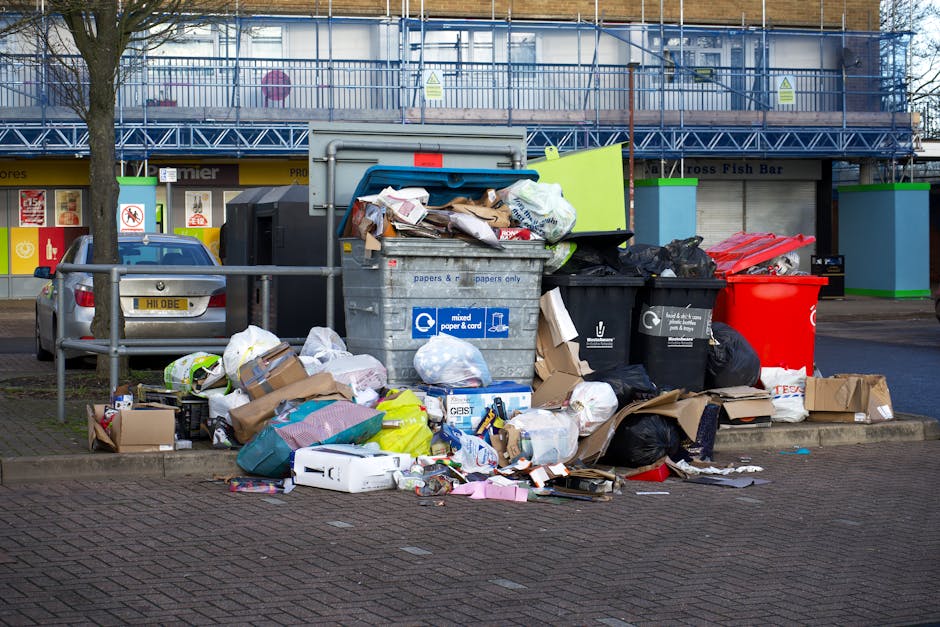
If you live on an estate in Seven Kings, rubbish can get messy fast. One overflowing bin, one broken wardrobe left in the wrong place, and suddenly the whole area feels untidy. Estate rubbish collection tips for Seven Kings residents are really about keeping shared spaces workable: cleaner walkways, fewer complaints, less pest risk, and a smoother relationship with neighbours and managing agents. Sounds simple, but in real life it takes a bit of planning.
This guide breaks down how estate rubbish collection works, what to do with bulky waste, how to avoid common mistakes, and how to choose the right collection method for flats, maisonettes, managed blocks, and busy households. We'll also look at practical compliance points, recycling habits, and when it makes sense to use a professional clearance service rather than leaving the job to chance.
Let's get into the useful stuff.
Why estate rubbish collection matters
On an estate, rubbish is never just "rubbish". It affects how people move, park, store bikes, carry shopping, and use shared outdoor space. A missed collection or badly placed sofa can block access for residents, refuse crews, or emergency services. And yes, it can also attract foxes, gulls, rats, and that unpleasant smell that seems to show up most on a warm evening in late summer.
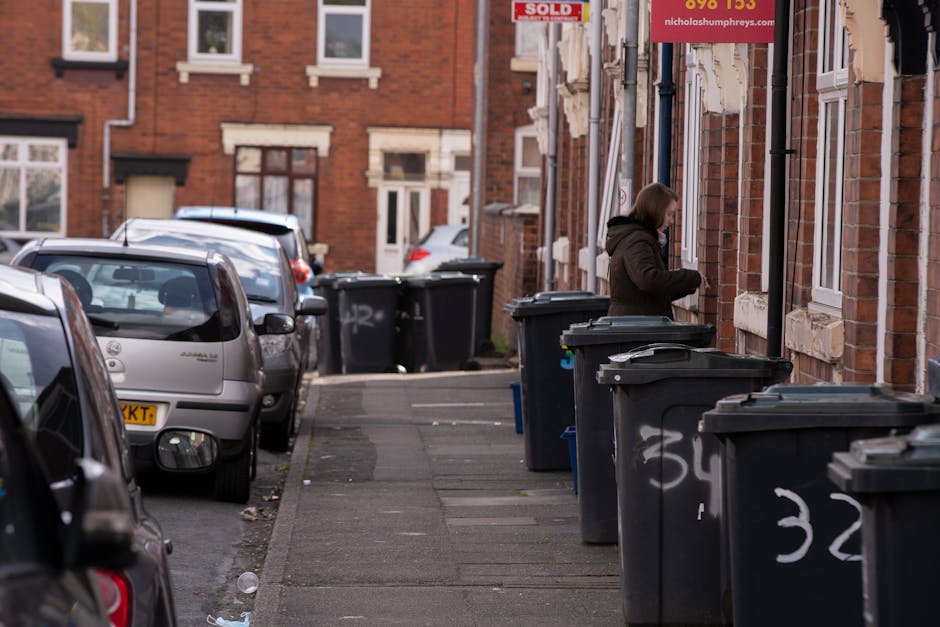
For Seven Kings residents, estate rubbish collection matters because homes are often tightly arranged, with limited space for storing waste between collection days. That makes timing and presentation much more important than in a detached-house street. A sensible system protects everyone's convenience, but it also supports the look and feel of the estate. Nobody wants to walk past a bin store that's constantly jammed, half-open, or scattered with loose bags.
There's also a neighbourly side to this. In shared buildings, one person's shortcut becomes everyone else's problem. A broken chair dumped beside the recycling bins can quickly turn into a small pile. Then another item appears. Then a mattress. You know how this goes. Good rubbish habits are really community habits.
That is why local residents often pair estate waste planning with broader home-clearance or domestic collection support, especially when they are moving, downsizing, or emptying a flat. If you need a wider service view, the company's services overview is a helpful starting point, and for standard household jobs the domestic waste collection in Ilford page gives a clearer picture of what is typically covered.
How estate rubbish collection works
Estate rubbish collection usually follows one of three patterns: scheduled communal collections, ad hoc resident bookings, or managed clearances for bulky items and accumulated waste. The exact setup depends on the property manager, the bins available, and whether the estate uses a private collection service in addition to council arrangements.
In practical terms, the process often looks like this:
- Residents separate waste into the correct streams: general waste, mixed recycling, food waste, garden waste, and bulky items.
- Waste is placed in the agreed location, such as a bin store, designated collection point, or kerbside area where permitted.
- Collection teams remove the waste at agreed times, sometimes with specific instructions for access gates, entry codes, or parking space restrictions.
- Bulky waste or special items are handled separately, often by booking a dedicated collection.
- Anything unsuitable for normal bins is sorted for reuse, recycling, or disposal at an authorised facility.
That last part matters more than many people realise. A professional waste carrier should be able to explain where waste goes and how it is managed. If you are comparing providers, it is worth checking waste carrier licence and compliance information before you hand over a single item. It sounds boring. It isn't. It is one of the easiest ways to avoid fly-tipping problems later.
For residents in estates near busier roads or tighter access points, such as parts of Seven Kings where parking can be awkward, collection timing can make or break the experience. A well-run service will factor in access, loading time, and the nature of the waste. A badly timed one can leave bags on the ground for hours. Nobody wants that, especially not on a wet Tuesday when the bins are already full.
Key benefits and practical advantages
When estate rubbish is handled properly, the benefits are immediate. Some are obvious, some only show up after a while.
- Cleaner shared spaces: Less clutter around bin stores, entrances, and walkways.
- Fewer pests and odours: Properly bagged and removed waste reduces smells and unwanted visitors.
- Safer access: Clear pathways matter for children, older residents, pushchairs, wheelchairs, and delivery crews.
- Better neighbour relations: Shared systems work best when nobody feels they are carrying the whole burden.
- More recycling: Sorting waste properly can reduce what ends up in general rubbish.
- Less stress during clear-outs: Moving house, renovating, or decluttering is hard enough without a pile of broken furniture in the hall.
There is also a practical financial angle. If waste is repeatedly dumped in the wrong place, a managing agent may need to bring in extra clearance work. That is avoidable cost. Good habits save time, and time becomes money pretty quickly when multiple residents are affected.
Practical takeaway: The best estate rubbish system is the one residents can actually follow every week, not just the one that looks neat on paper.
If you are dealing with old sofas, wardrobes, or flat-pack leftovers, it may be more efficient to use a targeted service like furniture disposal in Ilford or, for larger household clear-outs, house clearance in Ilford. That way, bulky waste does not sit around for days waiting for a lucky bin space.
Who this is for and when it makes sense
This advice is for Seven Kings residents living in apartment blocks, maisonettes, managed estates, housing association developments, or mixed-use buildings with shared bin areas. It also helps landlords, letting agents, resident committees, caretakers, and anyone who has ever stared at a pile of bags and thought, "Right, who's sorting this then?"
You will benefit most from these tips if you are:
- moving out of a flat and need to clear accumulated rubbish
- renovating a property and generating mixed waste
- helping a relative downsize or clear an estate property
- dealing with bulky items that do not fit standard bins
- managing a block where residents keep leaving waste beside bins
- preparing a rental property for new tenants
- running a small business or home office from an estate flat and producing office waste
Sometimes the issue is small and recurring. Sometimes it is a one-off event, like after a refurbishment or when a long-term tenant leaves behind more than expected. For those bigger jobs, a dedicated service such as waste clearance in Ilford can be a cleaner solution than trying to piece together several trips and a borrowed car. Truth be told, that second plan rarely survives contact with a mattress.
If your estate also has offices, shared commercial units, or mixed residential/commercial access, then planning becomes even more important. In those cases, commercial waste removal in Ilford may be a better fit than a standard household arrangement.
Step-by-step guidance
Here is the most practical way to handle estate rubbish collection in Seven Kings without creating extra work for yourself or your neighbours.
1. Identify what type of waste you have
Start by separating the load into categories: general household waste, recycling, food waste, green waste, bulky items, electrical items, and construction debris. Do not assume everything can be put out together. A couple of minutes here saves hassle later.
2. Check the estate's rules and storage space
Some estates have bin stores, some use shared yard areas, and others require residents to wait for specific collection times. If there is a site manager or managing agent, ask how they want waste presented. It sounds obvious, but many problems start because one flat followed a different set of instructions from the rest.
3. Flatten and reduce volume where possible
Cardboard boxes, packaging, and light furniture often take up far more room than they need to. Flattening boxes, removing drawers, and separating materials makes a huge difference in communal spaces. It also makes lifting safer.
4. Bag and secure loose waste
Loose rubbish attracts mess. Use strong sacks, tie them properly, and avoid overfilling. Broken bags left near a bin store tend to split, and then the wind does the rest. A gloomy little chain reaction.
5. Keep hazardous or awkward items separate
Paint tins, chemicals, sharp metal, gas canisters, and certain electrical items should not be left where they can cause harm. If you are unsure, set them aside and ask a professional before disposal. Better a short delay than a dangerous mistake.
6. Book the right collection for bulky waste
If you have a sofa, bed base, fridge, or multiple sacks after a clear-out, normal bins will not be enough. Match the service to the waste type. For appliances and fridge-type items, see white goods and appliance disposal in Ilford. For old sofas, armchairs, or tables, furniture removal in Ilford is usually the cleaner option.
7. Time the collection carefully
Try to avoid putting waste out too early, especially in shared spaces. At the same time, do not leave it until late evening if the collection is the next morning and the area is exposed. You want the shortest possible window between placement and removal.
8. Confirm access and parking details
This is the bit people forget. If a vehicle needs to enter a gated estate, where will it stop? Is there a code, a key fob, or a loading restriction? Simple access details can save a service from turning into a frustrating back-and-forth at the gate.
9. Follow up if the waste volume changes
Sometimes one room turns into three. That happens. If the job becomes bigger than expected, let the collection provider know rather than trying to squeeze the extra waste into a cramped bin store. Mixed waste is fine; mixed guesswork is not.
Expert tips for better results
These are the small things that make a surprisingly big difference. Not glamorous, but effective.
- Use labels for residents or rooms: If you are clearing a shared property, label bags or boxes by room so nothing useful gets thrown away by mistake.
- Keep recycling dry: Wet cardboard and contaminated packaging often end up rejected. A bin store with a leaky lid can ruin a neat sorting job fast.
- Separate reusable items early: If something can be donated, resold, or reused, take it out of the waste stream before the pile grows.
- Plan around busy estate times: Early mornings and school-run hours can make collection access trickier than expected.
- Use one main staging point: Spreading waste across hallways, balconies, and stairwells makes things harder, not easier.
- Protect shared flooring and lifts: A bit of cardboard or a moving blanket can prevent scuffs and complaints.
One useful local habit is to combine clear-outs with recycling-friendly sorting. The service team's recycling and sustainability guidance is worth checking if you want to reduce the amount going to general disposal. That is a sensible move in any estate, and especially in a dense area where storage space is at a premium.
Another thing: keep an eye on the difference between what is merely inconvenient and what is actually unsafe. A single bag left by a bin is untidy. A leaking bag full of glass or exposed screws is a hazard. That distinction matters.
Common mistakes to avoid
The same mistakes come up again and again on shared estates. Avoiding them is half the battle.
- Leaving rubbish beside full bins: Once one bag is outside the bin, others tend to follow.
- Mixing bulky waste with general waste: This makes collection slower and can create compliance issues.
- Blocking entrances or fire routes: Never place waste where it restricts access. It is not worth the risk.
- Assuming every provider handles everything: Some do not collect certain materials, especially hazardous or specialist items.
- Ignoring estate rules: A quick check with the managing agent can prevent a lot of back-and-forth later.
- Overfilling bags: Torn sacks are a mess no one wants to deal with at 8 a.m.
- Using unlicensed waste carriers: This can create fly-tipping problems and leave the original owner exposed.
A smaller but real mistake is not thinking ahead about timing. If you wait until the last possible minute before moving out, the entire job gets harder. Boxes pile up, the lift gets awkward, and somehow the hallway becomes a storage room. Happens all the time.
Tools, resources and recommendations
You do not need much to manage estate rubbish well, but the right basic tools help.
| Tool or resource | What it helps with | Why it matters |
|---|---|---|
| Strong refuse sacks | General waste and mixed clear-outs | Prevents tears and spillages |
| Marker pen or labels | Sorting by room or item type | Reduces accidental disposal of useful items |
| Foldable sack truck or trolley | Moving heavy bags or boxes | Makes stairs, lifts, and long walks easier |
| Cardboard boxes | Loose recyclables and light items | Helps keep materials clean and separated |
| Cleaning wipes or broom | After loading waste | Leaves shared areas tidy |
| Provider guidance pages | Service selection and planning | Helps match the waste type to the right collection method |
For specific jobs, these local service pages are often the most relevant next step: rubbish collection in Ilford for everyday loads, garden waste removal in Ilford for outdoor clearing, and builders waste disposal in Ilford if the estate job involves repairs or refurbishment.
If you are trying to understand the broader business side of booking, the pages on pricing and quotes and payment and security are useful too. A good provider should explain what affects the price without making you decode a mystery invoice. Nobody needs that drama.
Law, compliance, standards, and best practice
Estate rubbish collection in the UK sits within a few common-sense compliance expectations. You do not need to become a legal specialist, but you do need to work safely and choose reputable disposal routes.
At a practical level, best practice means:
- using a properly licensed waste carrier for collected waste
- keeping waste out of fire routes, entrances, and communal escape areas
- separating recyclable or reusable items where possible
- not leaving items out in a way that causes nuisance or contamination
- being careful with sharp, heavy, or hazardous materials
- following estate rules, tenancy conditions, or managing agent instructions
For residents, one important point is traceability. If you pay someone to remove waste, you want confidence that it will not end up dumped in a layby or left in someone else's name. That is why a page like waste carrier licence and compliance is more than a formality. It is a basic trust check.
It is also worth keeping an eye on property-specific responsibilities. In managed estates, leaseholders or tenants may have obligations about where waste is stored and how communal bins are used. The exact rules differ by building, so if you are unsure, ask your managing agent or landlord rather than guessing. Guessing is rarely the winning strategy here.
Options, methods, and comparison table
There is no single right answer for every estate. The best option depends on waste type, volume, access, and urgency. Here is a simple comparison to make it easier.
| Method | Best for | Pros | Watch-outs |
|---|---|---|---|
| Communal bin use | Routine household waste | Simple, familiar, low effort | Not suitable for bulky or excess waste |
| Resident self-haul | Small amounts, flexible schedules | Can be convenient for occasional loads | Needs a vehicle, time, and correct disposal point |
| Professional rubbish collection | Mixed household waste and medium loads | Fast, less lifting, cleaner for estates | Needs booking and access planning |
| Furniture or appliance removal | Sofas, beds, fridges, wardrobes | Handles awkward items properly | May require item-specific preparation |
| Full house or loft clearance | Move-outs, probate, downsizing, renovations | Best for large volumes and mixed waste | Needs sorting and sometimes several load types |
| Skip hire | Projects with steady waste output | Useful for ongoing clear-outs | Needs space, permits may apply, access can be awkward on estates |
If you are comparing skip hire with rubbish collection, it is worth reading the local guide on skip hire options for the Gants Hill area in Ilford. And if your priority is a quick pickup close to transport-heavy parts of the borough, the article on rubbish removal near Ilford Station is also a helpful read.
For many Seven Kings estates, professional rubbish collection ends up being the least disruptive option because it avoids leaving waste on site for days. That is especially true where bin stores are already tight or shared access is limited.

Case study or real-world example
Picture a typical second-floor flat on a Seven Kings estate. The tenant is moving out at the end of the month. There is a broken bedside cabinet, two sacks of old clothes, a flat-pack desk, a microwave that stopped working months ago, and the usual spread of odds and ends from the back of cupboards. Nothing dramatic, but enough to become a headache if left until the final day.
What usually works best in that situation?
First, the tenant separates recycling, general rubbish, and any reusable items. Next, the flat-pack wood is broken down and bundled safely. The microwave is kept apart as an electrical item. The clothes are bagged cleanly. Then the collection is booked for the same day the keys are due back, with access details shared in advance so the crew can get in and out without calling at the wrong moment.
The result is boring in the best possible way. No pile in the hallway. No argument about bin space. No last-minute scramble with a car that is, frankly, too small for a desk and a bedside cabinet. It just works.
Now compare that with the rushed version. Waste is left in the communal corridor "just for tonight", then the lift gets used by other residents, and the pile grows. By the next morning, the estate looks untidy and the move-out becomes stressful. Small delay, bigger mess. Happens more often than people admit.
Practical checklist
Use this checklist before any estate rubbish collection in Seven Kings. Simple, but it keeps the job tidy.
- Sort waste into general, recycling, bulky, and electrical items
- Check estate rules for bin stores and collection times
- Flatten boxes and reduce item size where possible
- Bag loose waste securely
- Keep sharp, heavy, or hazardous items separate
- Confirm access, codes, parking, and loading arrangements
- Choose the right service for the waste type
- Avoid leaving anything in fire routes or shared corridors
- Book the collection close to the actual removal date
- Keep a note of what has been removed, especially for move-outs or tenancies
Quick expert summary: if the waste is routine and light, estate bins may be enough; if it is bulky, mixed, or awkward, use a proper collection so the shared space stays clear and everyone breathes easier.
Conclusion
Good estate rubbish collection is really about respect: for shared spaces, for neighbours, and for your own time. In Seven Kings, where many residents live in flats or managed blocks with limited storage and busy access points, a little planning goes a long way. Sort the waste, protect the bin store, book the right service, and avoid the usual shortcuts that create mess later.
To be fair, most rubbish problems are not dramatic. They are small habits repeated badly. Fix the habits and the estate feels calmer almost immediately. Cleaner corridors, clearer bins, less stress. Simple, but not always easy without a plan.
If you are dealing with a move, a clearance, or a backlog that has got away from you, the sensible next step is to match the waste type to the right service and make the collection easy to carry out. That is what keeps the whole process smooth.
Get a free quote today and see how much you can save.


 Tipper Van - Waste Collection and Rubbish Removal Prices in Ilford, IG1
 Luton Van - Waste Collection and Rubbish Removal Prices in Ilford, IG1