Redbridge council rules for Ilford household waste
Posted on 31/07/2026
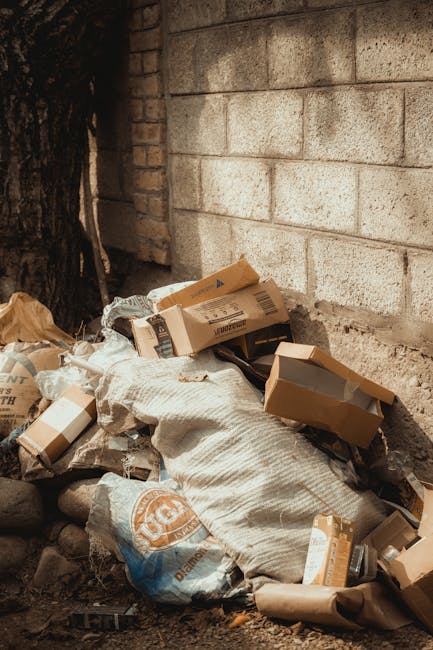
Redbridge Council Rules for Ilford Household Waste: A Practical Guide for Residents
If you live in Ilford, household waste rules can feel simple right up until the week gets busy, the bins overflow, and you're suddenly wondering what Redbridge Council expects from you. The good news is that the basics are not complicated once you break them down. In this guide to Redbridge council rules for Ilford household waste, you'll learn how the system works, what matters most, where people usually slip up, and how to keep your home tidy without creating avoidable problems. It's written for real life, not perfect life - because let's face it, nobody is sorting recycling with military precision on a wet Tuesday evening.
Whether you're dealing with everyday black-bag rubbish, recycling, garden cuttings, bulky items, or a loft clear-out that has quietly become a full weekend project, understanding the local rules helps you save time and avoid unnecessary hassle. It can also make a noticeable difference if you are comparing your own disposal options with private services such as domestic waste collection in Ilford or planning a larger house clearance in Ilford.
This article focuses on the practical side: what most households need to know, how to stay on the right side of council expectations, and when an organised private removal service may make more sense than trying to squeeze everything into the weekly routine.
Why Redbridge council rules for Ilford household waste Matters
Local waste rules matter for a few very down-to-earth reasons. First, they help keep streets, estates, and shared entrances cleaner. Second, they reduce missed collections and the awkward pile-up that happens when one bag contains the wrong thing. Third, they help you avoid the kind of messy situation where waste ends up being left out too early, too late, or in the wrong container.
For people in Ilford, this is especially relevant because homes vary so much. Some residents have front gardens and clear collection space. Others live in flats above shops, converted houses, or managed estates where bins are shared and access is tight. You might be living near transport links or on a road where storage space is limited. That makes the rules less of a background detail and more of a daily reality.
There is also a broader sustainability angle. Sorting waste properly means more can be recycled, less is contaminated, and the household side of waste management becomes more efficient. That is why local guidance is not just a box-ticking exercise. It's about making the system work for everyone in the neighbourhood.
Expert summary: If you remember just one thing, make it this: the best waste routine is the one that matches your property type, your storage space, and the collection method you actually use week after week.
If you want a wider view of local living and the way Ilford functions day to day, it can be useful to read about what locals say about Ilford as a place to live and the practical housing patterns discussed in Ilford housing market insights. Waste rules often make more sense when you think about the homes they're designed around.
How Redbridge council rules for Ilford household waste Works
At a practical level, most household waste systems rely on separation, timing, and presentation. That sounds a bit formal, but it is really just three ordinary questions:
- What type of waste do you have?
- Where should it go?
- When and how should it be put out?
For everyday households, the main waste streams usually include general rubbish, recycling, food waste where provided, garden waste, and occasional bulky items. Different items belong in different containers or collection streams. A pizza box, for example, may be fine if it is clean, but greasy food residue can contaminate recycling. An old kettle is not the same as a black bin bag. And a broken chair is not something you can just quietly wedge beside the bin and hope for the best.
The collection side also matters. In many parts of Ilford, collection depends on your property setup: individual bins, communal bins, or alternative arrangements where access is restricted. If you live in a flat or a shared building, the rules about bin storage, set-out time, and contamination can become even more important. That is one reason many residents also look at rubbish solutions for flats above shops in Ilford when standard bin arrangements are awkward.
Another practical point: household waste is one thing, but larger mixed loads can quickly move beyond what a normal domestic collection is meant to handle. That is where options like waste clearance in Ilford or rubbish collection in Ilford can become relevant, especially during a move, refurbishment, or post-tenancy clear-up.
What usually causes confusion
Most confusion comes from mixed loads. People often know that bottles are recyclable and food waste is not, but they are unsure about things like packaging with residue, small appliances, leftover DIY rubble, or furniture that is too large for a normal bin. Add in shared bins or limited storage and things can get tricky quite quickly.
Truth be told, the mistake is rarely laziness. It's usually a mix of unclear rules, too little space, and a busy household. That is normal.
Key Benefits and Practical Advantages
Following local waste rules properly gives you more than a tidy pavement. It makes your whole household routine easier.
- Fewer missed collections: Waste placed correctly is less likely to be left behind.
- Less mess around your property: Bags and boxes are less likely to split or attract pests.
- Better recycling outcomes: Clean, sorted waste is easier to process.
- Less friction in shared homes: Flat blocks and HMOs often run smoother when everyone follows the same approach.
- Lower risk of complaints: Neighbours are less likely to be annoyed by overflow or badly timed bin placement.
There is also a time-saving benefit. If your household has a predictable system, you stop rethinking the same decisions every week. That sounds small, but over a month it adds up. And if you've ever stood at the bin at 9.45 pm asking yourself whether a broken lamp shade counts as general waste, you know the feeling.
For households that regularly generate larger or awkward items, there is a strong case for using the right specialist support. For example, old sofas and chairs may be better handled through furniture disposal in Ilford, while heavy appliances fit more naturally with white goods and appliance disposal in Ilford. Choosing the right route keeps the home manageable and avoids improvising at the last minute.
Who This Is For and When It Makes Sense
This guidance is useful for a wide mix of Ilford residents, not just homeowners with full-size bins and plenty of storage space.
- Families: especially households that generate a steady flow of packaging, food waste, and broken everyday items.
- Flat residents: particularly those using shared bins, basement stores, or awkward access points.
- Landlords and letting agents: where turnover creates extra packaging, furniture, and clear-out waste.
- People moving home: because moving days produce a surprising amount of cardboard, broken bits, and "we'll deal with this later" debris.
- Anyone decluttering: lofts, garages, spare rooms, and sheds all seem harmless until they are not.
It also makes sense if you want to avoid depending on a once-a-week bin habit for everything. Weekly collections are fine for normal household flow. They are less fine for a loft clean, end-of-tenancy purge, or garden overhaul. In those moments, many people compare council-led routines with more flexible help such as garden waste removal in Ilford or loft clearance in Ilford.
If you're living in a busy part of town, near stations or busier roads, timing and storage become even more important. Local conditions matter. A lot.
Step-by-Step Guidance
Here is a simple way to manage household waste in Ilford without overcomplicating it.
- Sort waste by type before it leaves the kitchen or utility area. Keep general rubbish, recycling, food waste, and bulky items separate from the start.
- Check what your household actually produces most often. Some homes create lots of cardboard; others generate more food waste or packaging from deliveries.
- Use the right container or bag for each waste stream. That may sound obvious, but mixed bags are a common reason for problems.
- Keep bins accessible and closed. This helps with pests, weather, and the general look of the property.
- Place bins out at the right time and bring them back in promptly. Especially on streets where space is tight.
- Handle bulky items separately. Don't assume large items belong with normal collections.
- For awkward or large clear-outs, compare your options early. You can save yourself a lot of last-minute stress.
A practical example: if you are clearing a bedroom, you may end up with a mattress, broken hangers, a small chest of drawers, packaging, and a few bags of mixed clutter. That is no longer a routine bin job. It becomes a mix of standard household waste and specialist removal. Planning that split early avoids the classic "pile by the front door for two days" scenario.
When access is difficult, such as in shared entrances or properties above shops, you may also need to think about how waste is moved from the property to the collection point. That is where service options overview and clearer planning around collection access can genuinely help, because the best waste solution is often the one that fits the building rather than fighting it.
Expert Tips for Better Results
After working through a lot of local waste situations, a few practical habits stand out.
1. Keep a "not for recycling" bin lid note
A small note near the bin area can stop contamination. Things like greasy cardboard, soft plastics, and broken household bits can be easy to misjudge when you're in a rush.
2. Flatten cardboard immediately
Cardboard is one of the easiest materials to manage, but only if it's flattened. Left whole, it fills the bin far too fast. A minute of effort saves a lot of space.
3. Don't wait until overflow becomes the plan
Once bins are overfull, everything gets more awkward. Bags split. Lids won't shut. Neighbours notice. Better to clear small amounts regularly than to chase a once-a-month panic.
4. Separate bulky waste early
If it is too large, too heavy, or too awkward for your regular collection, keep it separate from the start. That one decision prevents a lot of confusion later.
5. Use specialist support for mixed or heavy loads
For example, after a renovation or a big sort-out, it may be more practical to use builders waste disposal in Ilford or furniture removal in Ilford rather than trying to force everything into domestic bins.
One of the best local habits is simply making waste decisions before items become a problem. A spare half-hour on Sunday afternoon can save a whole frustrating evening later. Not glamorous, but very effective.

Common Mistakes to Avoid
Some mistakes are tiny. Others create real headaches. Here are the ones that show up again and again.
- Mixing everything into one bag: This is one of the fastest ways to create contamination and avoidable mess.
- Leaving bins out too early: It may seem harmless, but it can create clutter on the street.
- Assuming all large items are collectable in the same way: Sofas, appliances, mattresses, and rubble often need different handling.
- Ignoring access issues: If your property is tricky to reach, plan for that before collection day.
- Forgetting about duty of care: If you hand waste to someone else, you still need to be confident it will be handled properly.
Another common slip is treating disposal like a one-size-fits-all task. It isn't. A cleared loft, a garden refresh, and a kitchen replacement each produce waste with very different handling needs. That's why services such as office clearance in Ilford or commercial waste removal in Ilford can matter even for households running small work-from-home setups or mixed-use spaces.
And yes, people do sometimes try to "hide" one awkward item in an ordinary bin load. It rarely ends well. The bin doesn't care about your optimism.
Tools, Resources and Recommendations
You do not need a complicated setup to stay organised. A few simple tools go a long way.
- Separate indoor containers: one for mixed rubbish, one for recycling, one for food waste if your household uses it.
- Flat-pack storage bags or boxes: helpful for cardboard, soft recycling, and bulky packaging.
- Basic gloves and a hand brush: useful for cleaning bin areas and handling awkward items safely.
- Labels: a tiny label on a recycling box can stop household confusion.
- A calendar reminder: especially useful if you regularly forget collection timings during busy weeks.
For larger jobs, it helps to compare your options before the problem becomes urgent. If you have a multi-room clear-out, you may benefit from house clearance in Ilford. If you are focused on domestic day-to-day rubbish, domestic waste collection in Ilford may be more appropriate. If you want a general overview of services, that can be a sensible first stop too.
Some residents also like to read broader local articles to understand the area's rhythm and planning challenges. For example, finding serenity in Ilford is a useful reminder that local routines matter as much as local landmarks. And if you're interested in how neighbourhood life and property use affect day-to-day upkeep, you may find waste removal near Valentines Park worth a read.
Law, Compliance, Standards, or Best Practice
When household waste is involved, the most important rule is simple: waste should be managed responsibly and passed to someone who is properly allowed to handle it. In plain English, that means you should be careful about who takes your rubbish and how it is disposed of.
Households do not usually need to think like waste professionals, but a little caution goes a long way. If a service is collecting items from your property, it should be able to show that it is operating properly. That is where checking compliance, insurance, and licensing matters. It is not about being difficult. It is about making sure waste does not disappear into the wrong channel and create a bigger problem later.
For a closer look at how a professional operator frames this, you can review waste carrier licence and compliance and the practical reassurance offered in insurance and safety. These are the kinds of details that build confidence when you are comparing options.
Best practice also means keeping a record of what was removed, especially for larger or mixed loads. That is helpful for landlords, householders clearing shared areas, and anyone managing a move or renovation. Not every situation needs paperwork, but a bit of clarity prevents misunderstandings. A sensible habit, really.
Options, Methods, or Comparison Table
Choosing the right waste method depends on volume, item type, access, and urgency. Here's a simple comparison that reflects the most common choices Ilford households weigh up.
| Option | Best for | Pros | Trade-offs |
|---|---|---|---|
| Routine household bins | Weekly domestic rubbish and recycling | Simple, familiar, low effort | Not suitable for bulky or mixed loads |
| Bulky collection or specialist removal | Furniture, appliances, large clear-outs | Handles awkward items properly | Needs planning and may depend on access |
| Garden waste removal | Branches, clippings, soil-heavy garden jobs | Cleaner and more efficient than overfilling bins | Useful mainly for seasonal or project-based jobs |
| Builders waste disposal | DIY rubble, plaster, broken fixtures | Better for heavy and messy materials | Not the same as normal domestic waste |
| Full clearance service | House, loft, office, or end-of-tenancy clearances | Fast, comprehensive, less stress | Can be more than you need for small jobs |
The right choice often comes down to volume and convenience. If it is one small item, wait for the normal route if appropriate. If it is a growing pile that is taking over the hallway, that's the point to step back and choose a more suitable method.

Case Study or Real-World Example
Here's a realistic example based on a common Ilford household scenario.
A family in a terrace property starts with a simple plan: clear the spare room, sort the loft, and get rid of an old sofa. Easy enough, or so it seems. Then they discover several bags of mixed clutter, a broken bedside table, boxes of old paperwork, a small appliance, and a couple of garden trimmings from the back yard. The weekly bin system suddenly looks a bit flimsy.
At that point, the sensible move is to split the waste into categories and decide what can go through routine collection and what needs a separate removal route. The sofa and appliance are not ordinary bag waste. The garden cuttings may be better handled separately. The mixed household clutter can then be dealt with without forcing everything into one overloaded pile.
The real win here is not speed alone. It's calm. Once the family makes the waste plan, the hallway stops looking like a disaster zone, the property feels usable again, and the whole job finishes in a day instead of dragging on for a week. Small victory, but a good one.
That same logic applies to landlord voids, post-move clear-outs, or homes close to busy roads where storage is limited. If you need a deeper clear-out example, the approach outlined in estate rubbish collection tips for Seven Kings residents offers a useful local perspective.
Practical Checklist
Use this checklist before your next waste collection day or home clear-out.
- Have I separated recycling from general waste?
- Are food-stained or contaminated items kept out of recycling?
- Do I know which items are too large for normal household bins?
- Have I planned for furniture, appliances, or garden waste separately?
- Is the bin area clean, accessible, and easy to use?
- Are communal storage or access rules clear if I live in a flat?
- Do I need a specialist service for a larger job?
- Have I checked that any waste handler is properly compliant and insured?
- Will my collection plan reduce mess, stress, and last-minute guesswork?
If you can tick most of those off, you're already ahead of the average busy household. And if a few are still uncertain, that is completely normal. Most people refine their waste routine over time.
Quick takeaway: the more deliberately you sort, store, and schedule your waste, the easier life gets. Simple as that.
Conclusion
Redbridge council rules for Ilford household waste are really about everyday order: putting the right thing in the right place, at the right time, and using a more suitable route when a normal bin job is no longer enough. That may sound plain, but it makes a real difference in a busy London area where homes, flats, and shared spaces all work differently.
The best approach is practical, not perfectionist. Keep your household system simple. Know when a load has outgrown the weekly bin. Pay attention to access and contamination. And if you are clearing something bigger than ordinary household waste, choose a method that fits the job rather than fighting it. In our experience, that is where most stress disappears.
Get a free quote today and see how much you can save.
With the right routine in place, waste becomes one less thing to think about - and honestly, that's a nice little bit of breathing room in a city that rarely slows down.


 Tipper Van - Waste Collection and Rubbish Removal Prices in Ilford, IG1
 Luton Van - Waste Collection and Rubbish Removal Prices in Ilford, IG1