Avoid fines for fly tipping in Ilford waste disposal rules
Posted on 05/10/2026
Avoid fines for fly tipping in Ilford waste disposal rules: a practical guide for households and businesses
If you are trying to avoid fines for fly tipping in Ilford waste disposal rules, you are probably dealing with a very ordinary problem that can turn messy fast: too much waste, too little time, and not much clarity about what counts as lawful disposal. Truth be told, that is where many people get caught out. A bag left beside a bin, a skipped-over booking, a van full of building debris dumped "for later" - these are the sorts of small decisions that can become expensive very quickly.
This guide breaks the topic down in plain English. You will learn what fly tipping means, why it is treated seriously, how waste disposal should work in practice, the common mistakes that lead to penalties, and what to do instead if you want to stay on the right side of local rules. We will also cover the practical side: choosing a proper waste service, checking compliance, and understanding the difference between convenience and risk. It sounds dull, maybe. But the wrong shortcut can cost more than people expect.
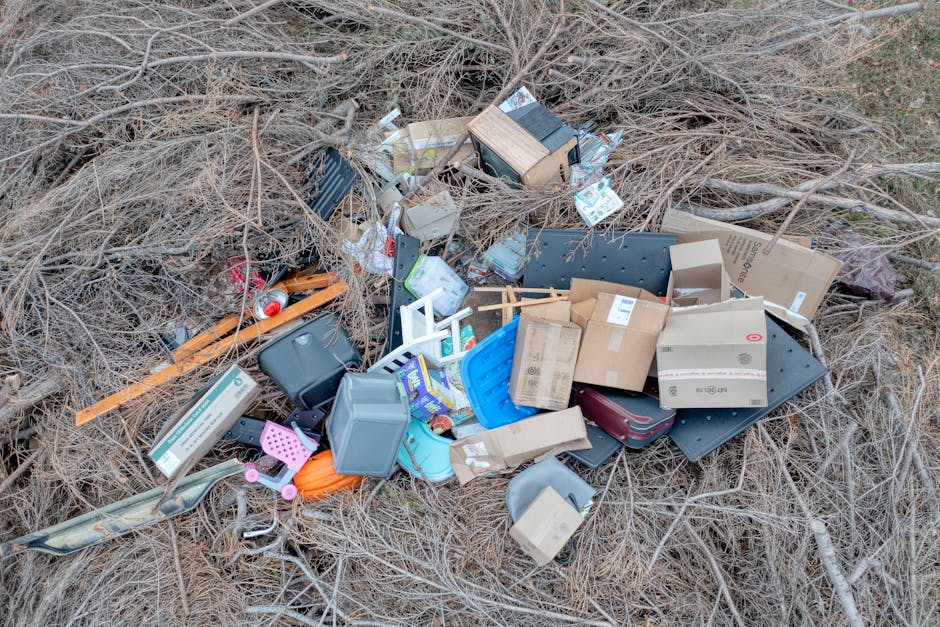
Why Avoid fines for fly tipping in Ilford waste disposal rules Matters
Fly tipping is not just a nuisance. It can create blocked pavements, attract vermin, make streets look neglected, and leave residents or landlords stuck with clear-up problems they did not cause. In an area like Ilford, where homes, flats above shops, small businesses, and busy roads all sit close together, waste can become a public issue very quickly. One careless dump on a quiet evening can be visible by the next morning. And once it is there, someone has to deal with it.
The bigger issue is liability. People often assume that once they hand waste to "someone with a van", the problem is finished. Not necessarily. If the waste is handled illegally, or if the person removing it is not properly authorised, the person who produced the waste may still face trouble. That is why understanding the rules matters even if you are not the one physically dumping anything.
There is also a reputational side. For landlords, builders, shop owners, and office managers, one waste incident can make a place look unmanaged. For households, it can create awkward neighbour disputes. Nobody wants a bin store turning into the local eyesore, especially on a wet afternoon when the smell starts to build. Not pleasant.
Expert summary: the safest path is simple: know what you are disposing of, use a lawful collection route, keep records where appropriate, and never leave waste to be "sorted later". That small bit of discipline saves stress, avoids penalties, and usually costs less than a mess that has to be fixed twice.
How Avoid fines for fly tipping in Ilford waste disposal rules Works
At a practical level, avoiding fines comes down to using the right disposal route for the type and amount of waste you have. Household rubbish, garden cuttings, furniture, white goods, builders' waste, office clear-outs, and mixed loads are all treated differently in practice. Some items can go through regular collection channels. Others need a licensed waste carrier or a specialist removal service. A few need careful handling because they are bulky, heavy, or potentially hazardous.
Here is the core idea: if waste leaves your possession, you should be able to explain who took it, where it went, and whether that person or business was authorised to do so. That does not mean you need a folder of paperwork for every bag of rubbish. But it does mean you should be cautious, ask questions, and avoid vague arrangements made in a hurry.
In real life, the process usually works like this:
- You identify the waste type and volume.
- You choose a collection or disposal method that fits the job.
- You check that the service is legitimate and suitable.
- The waste is removed, transported, and handled properly.
- You keep basic proof if the situation calls for it, especially for trade or larger clearances.
That sounds straightforward, and often it is. The problem appears when people skip the checks. A cheap price with no details can look tempting at 7pm when a pile of rubble is sitting in the driveway. But if the van disappears and the waste later turns up in a lay-by, the cheap option becomes very expensive indeed.
If you are comparing services, pages like the services overview and waste carrier licence and compliance information are useful places to start because they help you think about legality before price.
Key Benefits and Practical Advantages
A lawful waste disposal approach is not just about avoiding penalties, although that is the obvious part. It also gives you control, predictability, and less hassle when things are already busy. In our experience, people who sort waste properly tend to save themselves several small headaches rather than one dramatic one.
- Lower risk of fines or enforcement action: If the waste is handled through a proper route, you are far less likely to be caught up in fly tipping investigations.
- Cleaner property and safer access: No one enjoys stepping around an old mattress or builder's bags at the front of the house.
- Better neighbour relations: Especially in terraced streets, estates, and shared access areas, good waste handling avoids friction.
- More suitable for mixed waste jobs: Furniture, household rubbish, garden cuttings, and renovation debris each have different disposal needs.
- Less wasted time: You are not making repeat trips, borrowing unsuitable vehicles, or trying to find space for rubbish in a normal car boot. Been there, regretted it.
- Improved traceability for trade and landlords: When records exist, it becomes much easier to answer questions later.
There is also a practical cash-flow point. For businesses especially, avoiding a one-off enforcement issue is far better than trying to explain a preventable mistake after the fact. That kind of call is never fun, and it usually happens at the worst possible moment.
Who This Is For and When It Makes Sense
This topic matters to almost anyone who produces waste in Ilford, but some groups should pay particular attention.
Households clearing out everyday items
If you are replacing furniture, clearing a shed, or getting rid of accumulated clutter, it is easy to assume the solution is "just get rid of it". But rubbish left outside the wrong place, at the wrong time, can be treated as fly tipping. That includes items placed beside communal bins, dumped near a shopfront, or handed over to a random collector with no clear details.
Landlords, agents, and property managers
End-of-tenancy clearances can produce a surprising amount of waste. Beds, carpets, broken chairs, food waste, old appliances - the lot. If a tenant leaves it behind or a contractor removes it badly, the property owner can still end up spending time and money sorting it out. A proper clearance route matters here, especially for HMOs, flats, and mixed-use buildings.
Builders, decorators, and tradespeople
Trade waste is where mistakes often get costly. A few bags of plasterboard, timber, broken tiles, and offcuts do not look like much until they start piling up. If you are working on a tight schedule, you need a disposal method that is both practical and compliant. One shortcut can spoil the whole job.
Shops, offices, and local businesses
Commercial spaces generate packaging, old stock, fixtures, office furniture, and occasional bulk waste. If the disposal setup is weak, waste can accumulate in rear alleys or service yards. That is bad for access, bad for appearance, and risky from a compliance point of view.
When it makes sense to book a professional clearance
It makes sense whenever the load is too large, too heavy, too mixed, or too awkward for normal household disposal. If you are unsure whether the item can go in a regular collection stream, stop and check before it leaves the premises. That pause is often the difference between a smooth job and a nuisance headache.
Step-by-Step Guidance
If you want a simple route to avoid fines for fly tipping in Ilford waste disposal rules, follow this process. It is not glamorous, but it works.
- Identify exactly what you need to remove. Separate household rubbish, bulky furniture, garden waste, electrical items, and construction debris. Mixed loads often need a more careful approach.
- Decide whether it is a regular collection or specialist disposal. A few bin bags are one thing. A broken sofa, old fridge, or builders' rubble is another.
- Choose a service that is suitable for the load. For larger or mixed clearances, look for a provider that clearly explains what they collect and how it is handled.
- Check compliance basics. If someone is removing waste on your behalf, ask whether they are properly authorised to carry and dispose of it. The wording may vary, but the principle is the same.
- Ask for clarity on what happens next. Where will the waste go? What is excluded? Are there items they will not take? Good services are usually direct about this.
- Keep simple records if needed. For business waste, larger clearances, or recurring removals, save invoices and any job details. It is a small habit that can save a lot of explaining later.
- Do a final check before anything leaves site. Make sure nothing important is mixed into the waste by accident. Keys, documents, tools, and reusable items often get lost in the shuffle. That sinking feeling at 6:15pm is not ideal.
For domestic jobs, you may also find it useful to read the guidance on domestic waste collection in Ilford and rubbish collection in Ilford, especially if you are deciding between a small pickup and a full clearance.
Expert Tips for Better Results
There are a few habits that make waste disposal smoother and safer. These are the little things experienced customers tend to get right.
- Separate waste before the collection day. Sorting as you go keeps the load cleaner and easier to handle.
- Take photos of the waste area before removal. This can help if you need to show what was there and what was taken.
- Be wary of unusually cheap quotes. If the price is far below normal, ask how disposal is handled. A bargain can sometimes hide a problem.
- Confirm access details early. Narrow roads, shared entrances, stairs, and flats above shops can all affect safe collection. A van might be fine; a large vehicle might not.
- Use a service that matches the waste type. A furniture-only job is different from a mixed builders' clearance. Matching the service to the task avoids awkward surprises.
- Ask about restricted items. Some items need special handling. Better to know in advance than to discover them on the doorstep.
- Keep the route simple. If the waste is ready, labelled where needed, and accessible, the job usually goes more smoothly and faster.
A small local observation: on busy streets, especially around schools, shops, or station areas, waste problems tend to become public very quickly. A bag left out overnight can look fine at 8pm and very obvious by 8am. Not a huge drama if it is your bin bag. Quite a different matter if it starts to attract complaints.

Common Mistakes to Avoid
Most waste-related penalties are not caused by mystery behaviour. They are caused by very ordinary mistakes made under pressure.
- Leaving waste beside bins or walls: Even if you intend to come back later, it can still be treated as dumped waste.
- Using an unverified collector: If someone arrives in a van and says "don't worry, mate", that is not a compliance strategy.
- Assuming all rubbish is handled the same way: Furniture, white goods, builders' waste, and general waste do not always follow the same route.
- Mixing prohibited items into general waste: This can create handling problems and sometimes extra charges.
- Not checking access before booking: Especially in blocks, courtyards, or streets with tight parking, poor planning can turn a quick collection into a delay.
- Forgetting about duty of care: Businesses in particular should remember that handing waste to the wrong person does not always remove responsibility.
A lot of people only think about waste after the pile is already there. That is understandable, but it is also where mistakes multiply. One quick decision leads to another, then suddenly it is Saturday afternoon and everyone is cross. You know how it goes.
Tools, Resources and Recommendations
You do not need a complicated toolkit to manage waste properly. What helps most is a simple system and a few reliable habits.
- Sorting tubs or bags: Useful for separating general rubbish, recyclables, bulky bits, and any special items.
- Phone photos: Handy for before-and-after records, quote accuracy, and peace of mind.
- A basic waste log: For businesses, a notebook or digital file listing what was removed, when, and by whom can be very useful.
- Clear access notes: If you live above a shop or in a block, note stair access, parking restrictions, and entry points before booking.
- Provider information page: Read service details carefully, especially where waste type, exclusions, or compliance is discussed.
If you want to compare removal types, these pages can help you think through the job more clearly: waste clearance in Ilford, builders waste disposal, furniture removal, and white goods and appliance disposal. Each one suits a different kind of clear-out, and that distinction matters more than people think.
If you are looking at budget and payment questions as part of the decision, the pages on pricing and quotes and payment and security are worth a look too. It is always better to understand what you are paying for before anyone turns up with a van.
Law, Compliance, Standards, or Best Practice
Fly tipping is treated seriously because it affects public space, safety, and local cleanliness. In practical terms, the legal and compliance side comes down to responsibility, traceability, and proper handling. If you arrange waste removal, especially for business or trade waste, it is sensible to make sure the person taking it is authorised, the waste is suitable for the chosen route, and you retain evidence where needed.
Best practice in the UK usually means a few plain things:
- Do not leave waste in a place where it is not meant to be.
- Do not hand waste to someone unless you are satisfied they can handle it lawfully.
- Keep records for commercial or repeat waste movements.
- Match the disposal method to the waste type.
- Be honest about what needs removing, rather than hoping the job will sort itself out.
For businesses, the bar is a little higher. Trade waste often requires more careful documentation and cleaner processes. If you are managing offices, shops, or worksites, using a provider with clear compliance information is not overkill; it is just sensible. The page on trade waste permits in Ilford may be useful if your waste is connected to trading activity or regular commercial disposal.
It is also worth reading practical guidance on local household expectations. The article about Redbridge Council rules for Ilford household waste can help you understand how ordinary domestic waste fits into the wider picture. No one wants a small mistake to become a bigger issue than it needed to be.
Options, Methods, or Comparison Table
Choosing the right waste disposal method is often about balancing speed, cost, effort, and compliance. Here is a straightforward comparison.
| Option | Best for | Advantages | Watch-outs |
|---|---|---|---|
| Regular household bin collection | Small, everyday waste | Simple and familiar | Not suitable for bulky or large mixed waste |
| Self-transport to a waste site | Smaller loads and people with suitable transport | Can be direct and controlled | Time, fuel, lifting, and access challenges |
| Professional rubbish collection | General clear-outs and bulky items | Convenient and usually faster | Need to confirm what is included |
| Specialist clearance service | Large, awkward, mixed, or trade waste | Good for complex jobs | Usually requires more planning |
For many people, the best choice is not the cheapest one; it is the one that fits the job with the least risk of mistakes. If you have a small bag of household waste, one route makes sense. If you have a garage full of mixed rubbish and an old wardrobe, another route makes more sense. Simple as that.
Case Study or Real-World Example
A small property manager in Ilford inherited a post-tenancy flat that had more left behind than expected: a broken chair, two mattresses, black bags of mixed rubbish, and a few bits of old packaging stuffed into a corner. The first thought was to shift everything outside and sort it "tomorrow". That would have been the wrong move.
Instead, the items were grouped by type, access was checked for the stairwell and parking, and a proper clearance was arranged. The manager kept photos before removal, saved the booking details, and made sure the waste was collected in one visit. The process was uneventful, which is exactly what you want. No drama. No awkward neighbour complaints. No mystery pile sitting near the communal entrance on a damp Tuesday morning.
That is the quiet win here. When waste is handled properly, nothing much happens - and that is a good thing. The problem cases are usually the ones where someone hoped to avoid planning. A little order at the start prevents a lot of noise later.
Practical Checklist
Use this checklist before any waste leaves your property.
- Have I identified the exact waste type?
- Is this a household, bulky, garden, white goods, or trade waste job?
- Do I know whether the waste can go through a standard route?
- Have I checked the collector or service is suitable for the job?
- Have I confirmed access, parking, stairs, and any restrictions?
- Have I removed anything valuable or sensitive from the waste pile?
- Do I have photos or notes if the job is larger or more complex?
- Have I kept invoices or booking details where needed?
- Is there anything in the pile that needs special handling?
- Have I avoided putting anything out on the pavement or beside bins early?
Quick reminder: if a disposal plan depends on "someone will probably sort it out", it is probably not a plan. Better to pause and check. Usually saves time in the end.
If you are dealing with a bigger clear-out, house clearance in Ilford, loft clearance, and office clearance are all worth considering depending on the type of waste and how much needs to go. For garden-heavy jobs, garden waste removal can be the cleaner choice.
Conclusion
Avoiding fines for fly tipping in Ilford waste disposal rules is mostly about doing a few sensible things consistently: choose the right disposal route, avoid leaving waste where it should not be, check who is removing it, and keep basic records when the job calls for them. None of that is flashy. But it works.
The real benefit is peace of mind. You know the rubbish is gone properly. The place looks better. The risk of complaints drops. And you do not end up explaining a preventable mistake to someone who has already seen the evidence. That is worth a lot, honestly.
Get a free quote today and see how much you can save.



 Tipper Van - Waste Collection and Rubbish Removal Prices in Ilford, IG1
 Luton Van - Waste Collection and Rubbish Removal Prices in Ilford, IG1